

Most Classics Aren't Hard. Nobody Tells You That.
A brutally honest ranking, because "just read the classics" is not a reading plan.


Let’s start with the thing nobody says out loud.
“Classic literature” is not one thing. It is a category so wide it contains both The Yellow Wallpaper (20 pages, readable in your lunch break) and Ulysses (730 pages, readable in approximately never).
Lumping them together and calling them all “intimidating” is like saying “food is hard to cook” because someone handed you a croissant and a frozen pizza in the same sentence.
Some classics will fight you. Some classics will grab you by the collar on page one and not let go until 2AM. The problem is nobody tells you which is which before you open the book.
So here it is. The honest list.
Category One: Read It Tonight (Under 150 Pages)
These are the ones where “I don’t have time” is not a real answer.
The Yellow Wallpaper | Charlotte Perkins Gilman
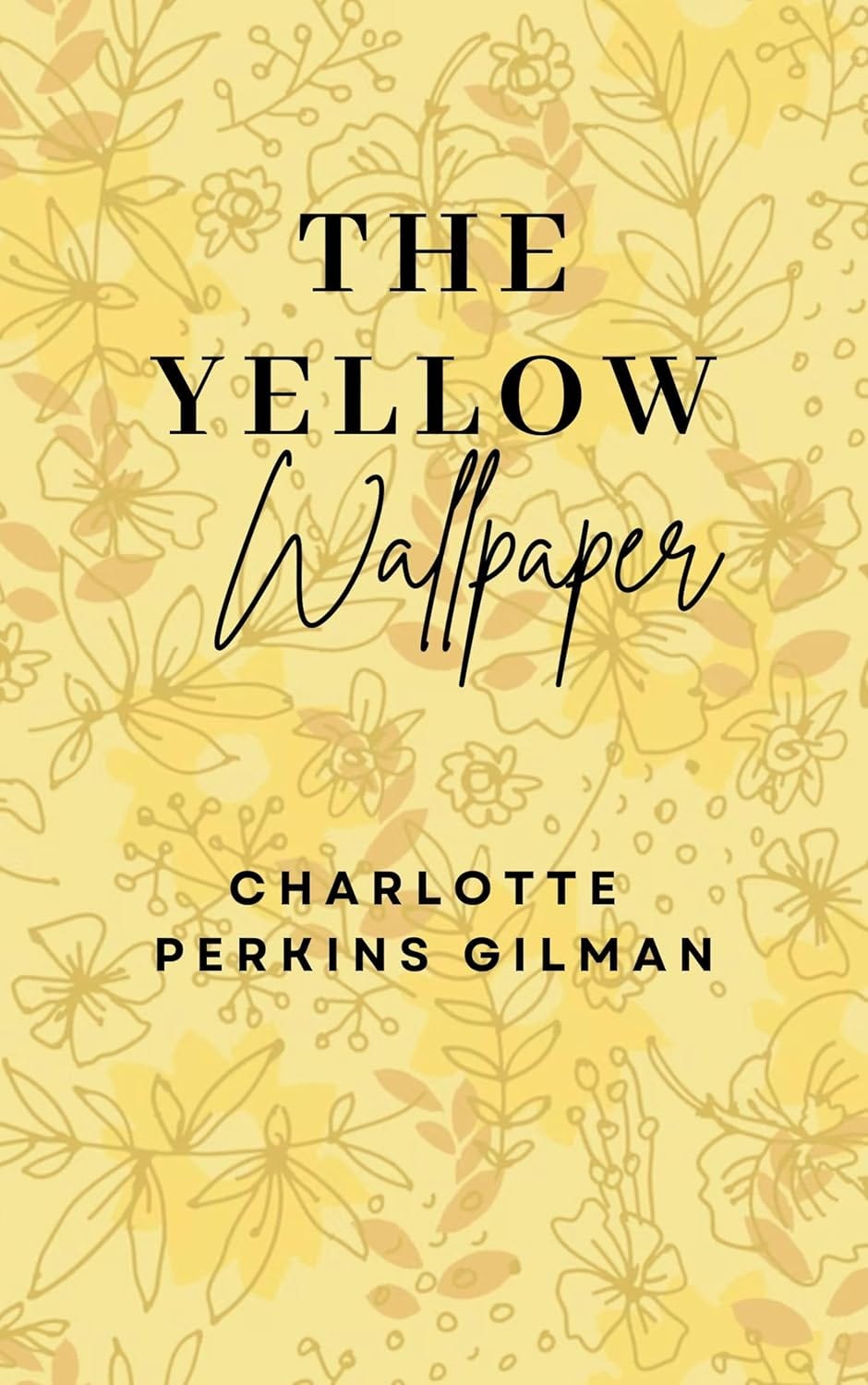
20 pages. A woman is confined to her room by her doctor husband because she is “nervous.” She starts to unravel. The wallpaper starts to move. Published in 1892. Could have been written last week.
“I’ve got out at last, in spite of you and Jane. And I’ve pulled off most of the paper, so you can’t put me back!”
If you have not read this, you can fix that problem in forty minutes tonight.
The Metamorphosis | Franz Kafka
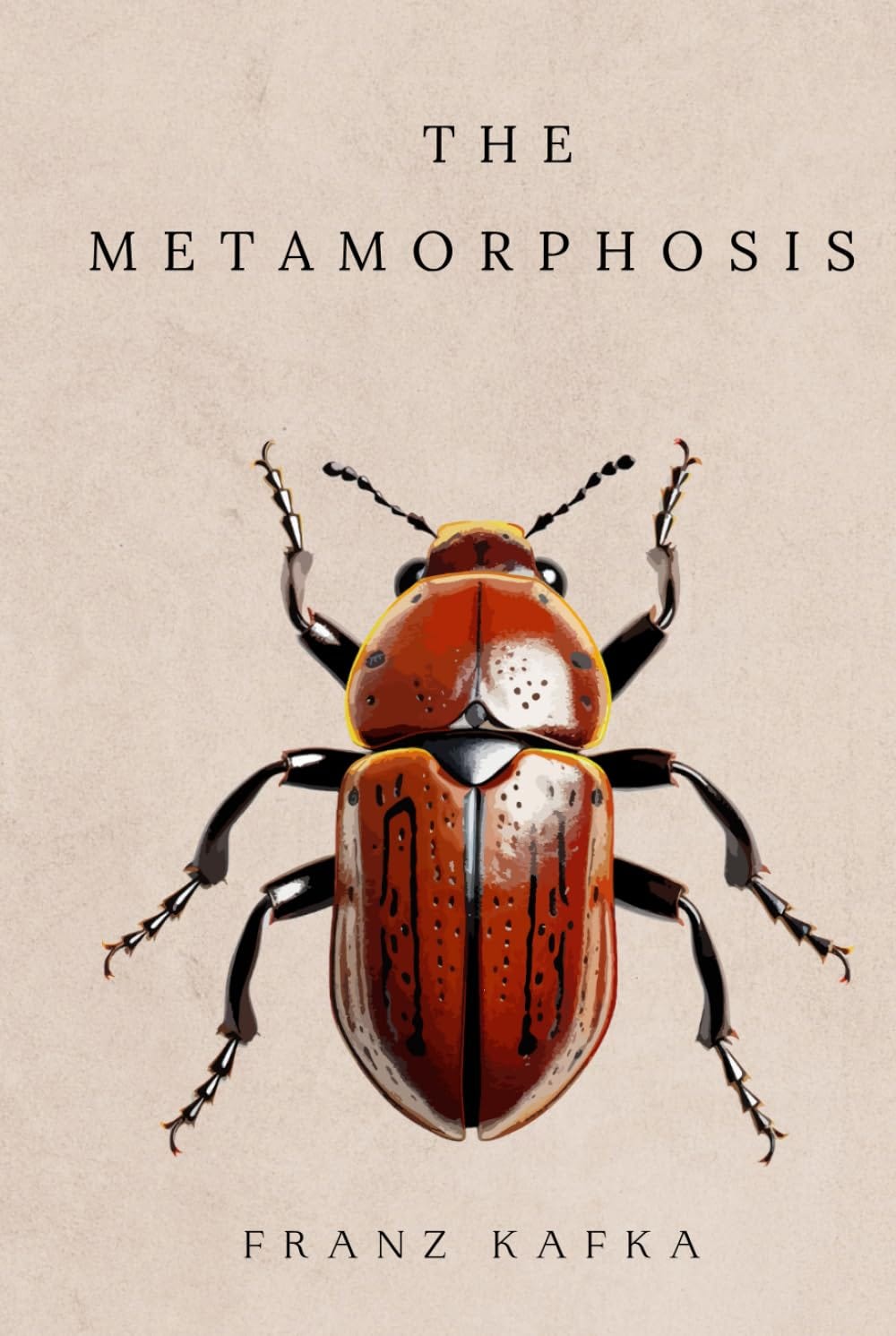
60 pages. A man wakes up as a giant insect. His family’s first reaction is not concern. It is inconvenience. That detail tells you everything about what this book is actually about.
“As Gregor Samsa awoke one morning from uneasy dreams he found himself transformed in his bed into a gigantic insect.”
First line. First page. You already know if this is for you.
Animal Farm | George Orwell
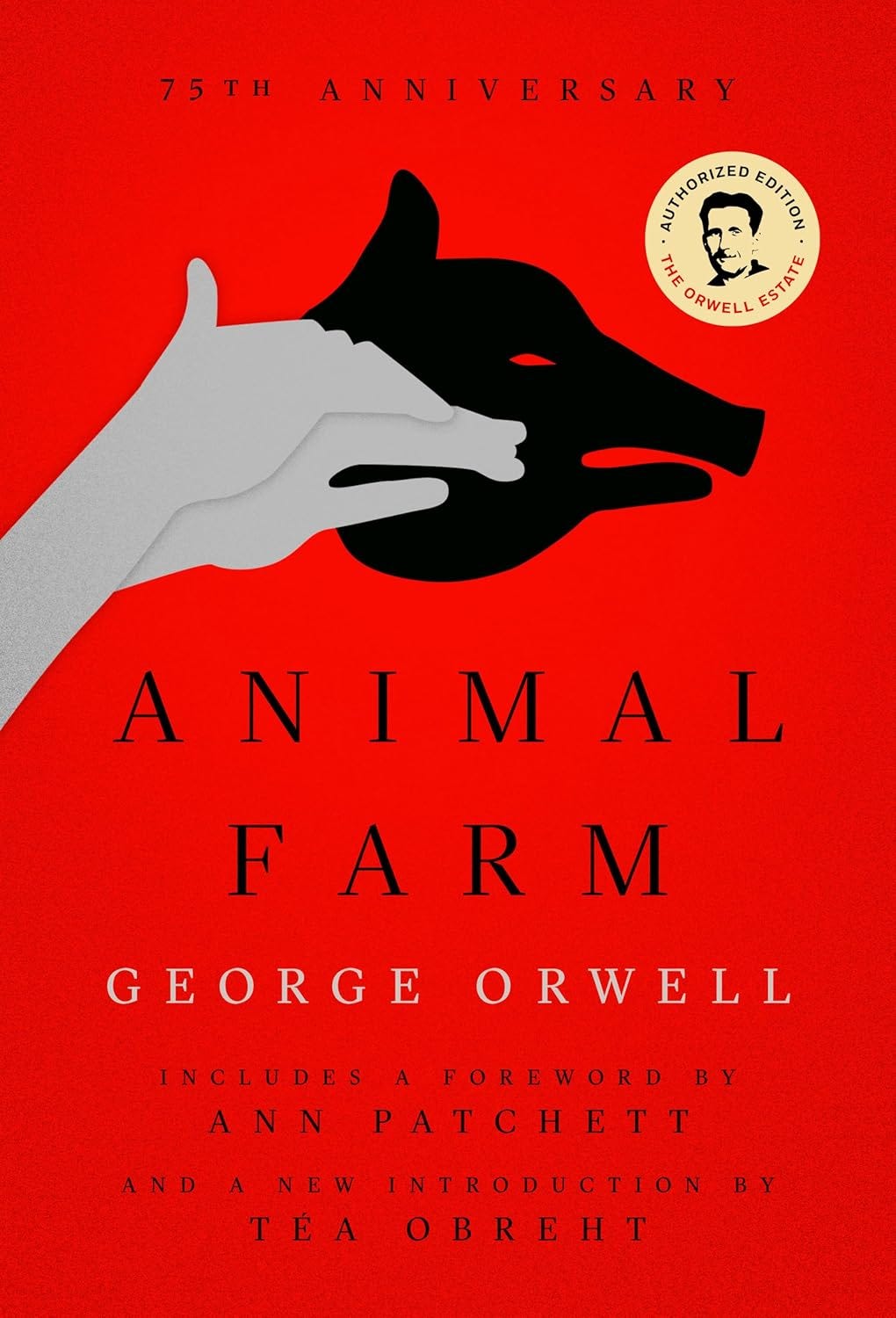
112 pages. Farm animals overthrow their farmer and immediately recreate the exact power structure they overthrew. Orwell wrote it in 1945. The irony has aged perfectly.
“All animals are equal, but some animals are more equal than others.”
Middle schoolers read this. You can too. It is also devastatingly not a children’s book.
The Old Man and the Sea | Ernest Hemingway
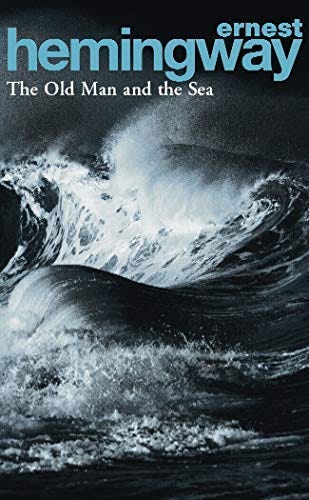
127 pages. An old man. A fish. The sea. Three days. Hemingway at his most stripped down, which means this is the one you can actually get through without wanting to fight him.
“A man can be destroyed but not defeated.”
You will finish it in one afternoon and sit with it for a week.
The Pearl | John Steinbeck
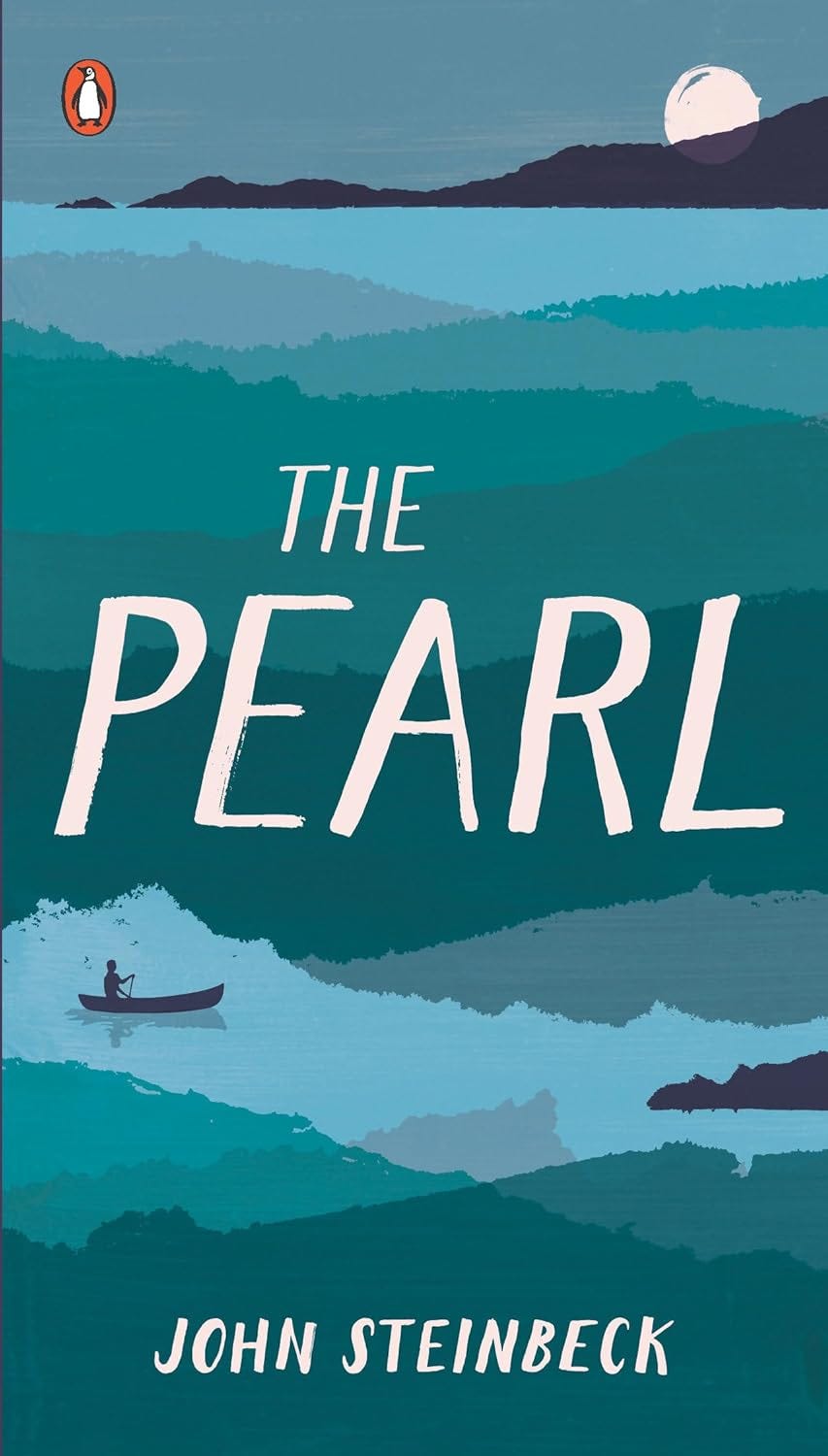
90 pages. A poor fisherman finds the most valuable pearl in the world. You already know how this ends. Reading it anyway is the entire point.
“In the town they tell the story of the great pearl — how it was found and how it was lost again.”
Steinbeck in under two hours. This is the gateway drug.
Category Two: Page-Turners Wearing a Classic’s Disguise
These are not hard. They are just long. There is a difference.
Rebecca | Daphne du Maurier
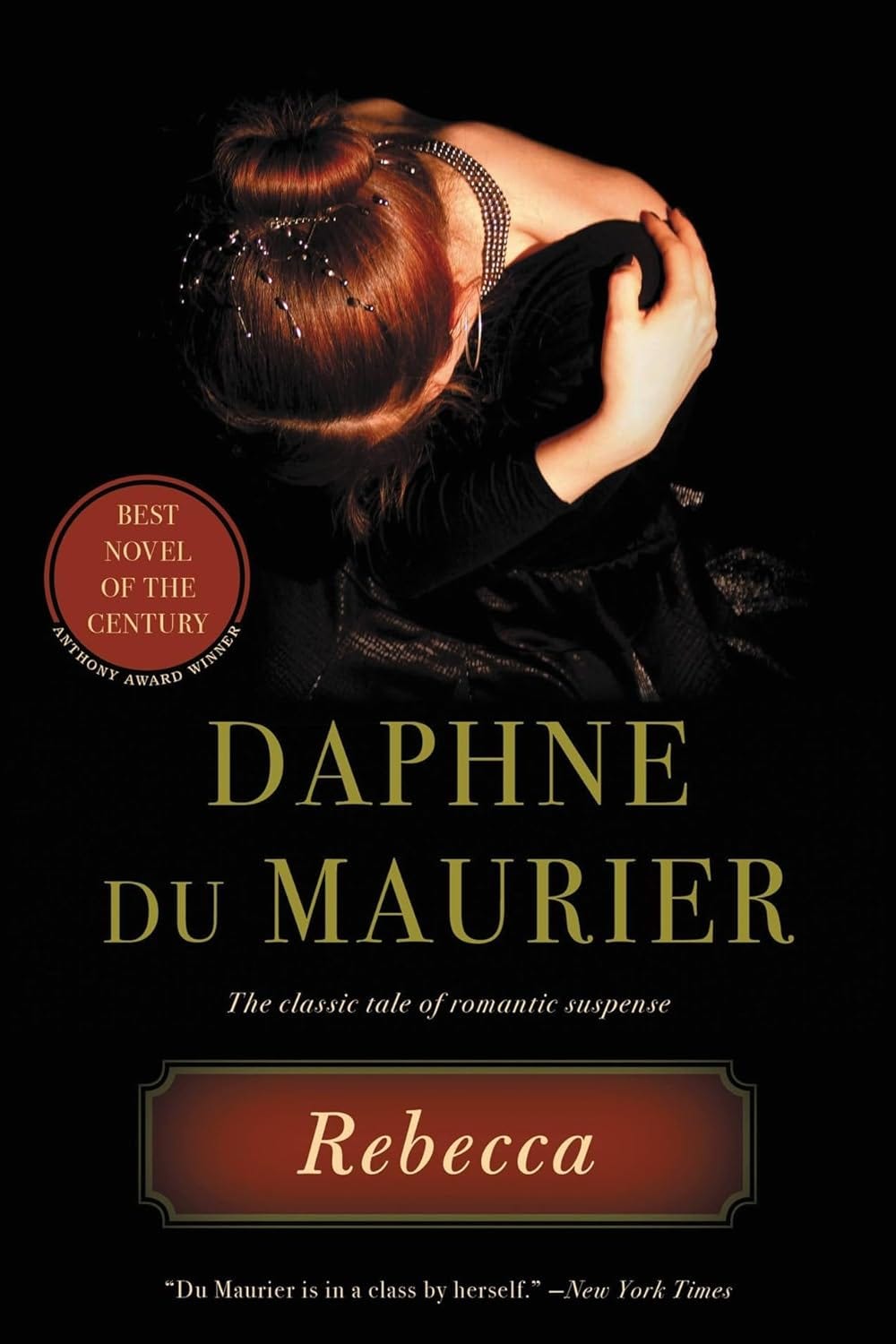
320 pages. A young woman marries a wealthy widower and moves into his estate. The dead first wife is somehow still running the house. The housekeeper is clearly a problem. Every chapter ends on a sentence that makes you flip to the next one.
“Last night I dreamt I went to Manderley again.”
This reads like a thriller. It is shelved with classics. Both things are true.
To Kill a Mockingbird | Harper Lee
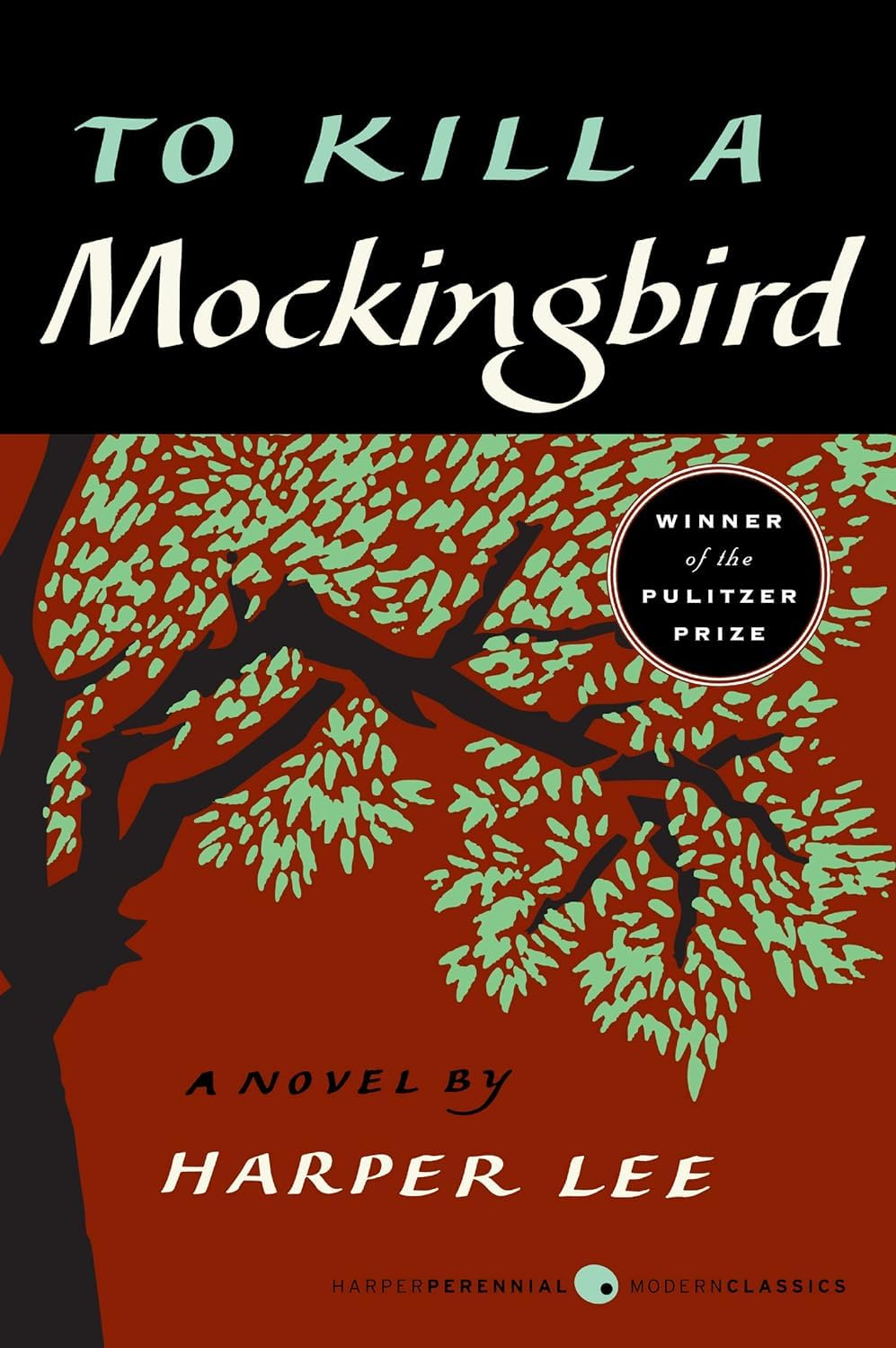
281 pages. A lawyer defends a Black man wrongly accused of a crime in 1930s Alabama. His daughter narrates. If you read this in school and hated it because it was assigned, try it again now that nobody is grading you.
“You never really understand a person until you consider things from his point of view, until you climb inside of his skin and walk around in it.”
The most readable serious book on this entire list. That is not a criticism.
Their Eyes Were Watching God | Zora Neale Hurston
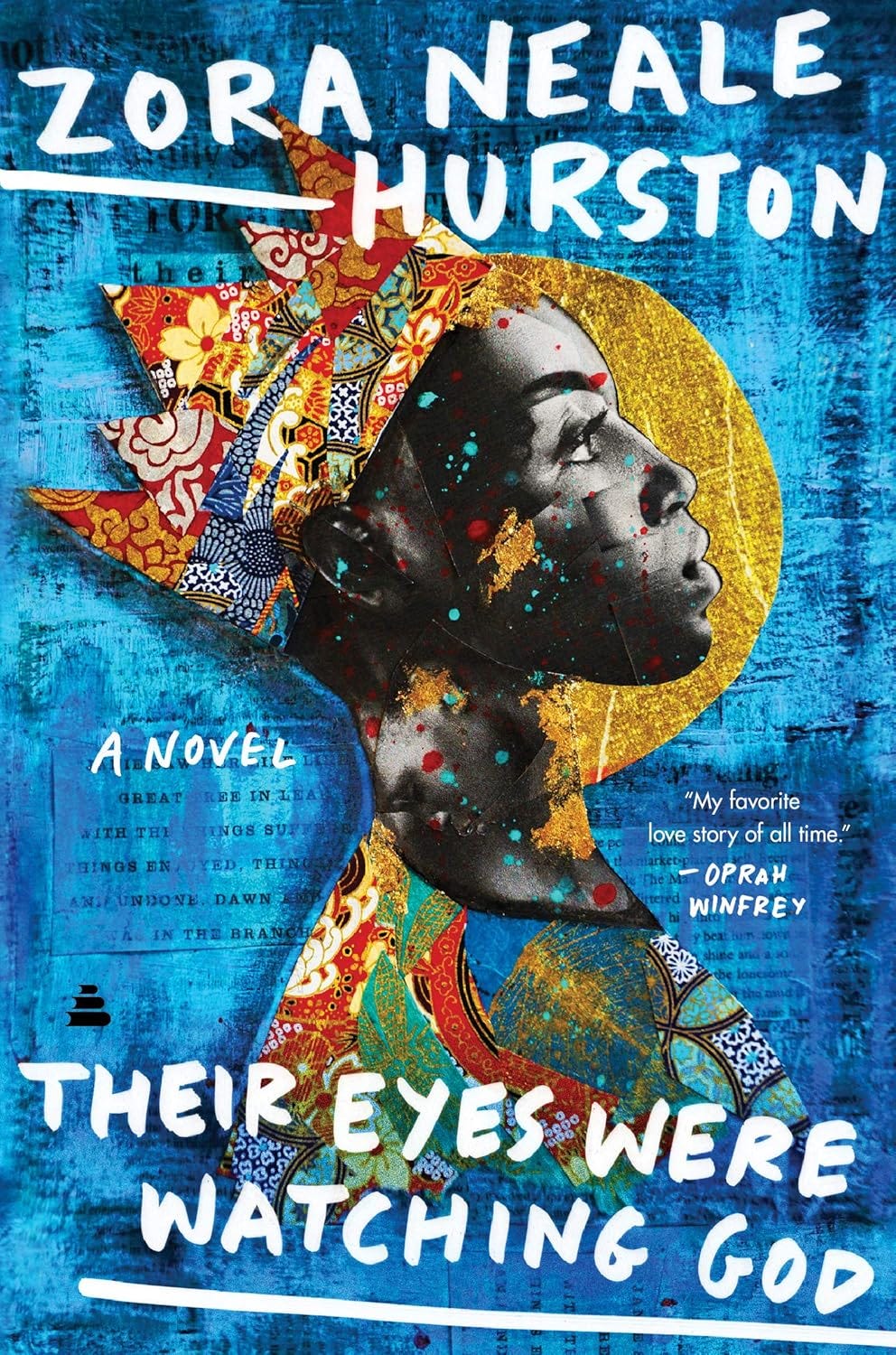
193 pages. A Black woman in 1930s Florida lives three completely different lives and figures out, eventually, what she actually wants. Hurston wrote this in seven weeks. The prose is so alive it almost hums.
“She had been getting ready for her great journey to the horizons in search of people; it was important to all the world that she should find them and they find her.”
Published in 1937. Almost lost to history. Now reading it feels like a small act of defiance. Good.
The Catcher in the Rye | J.D. Salinger
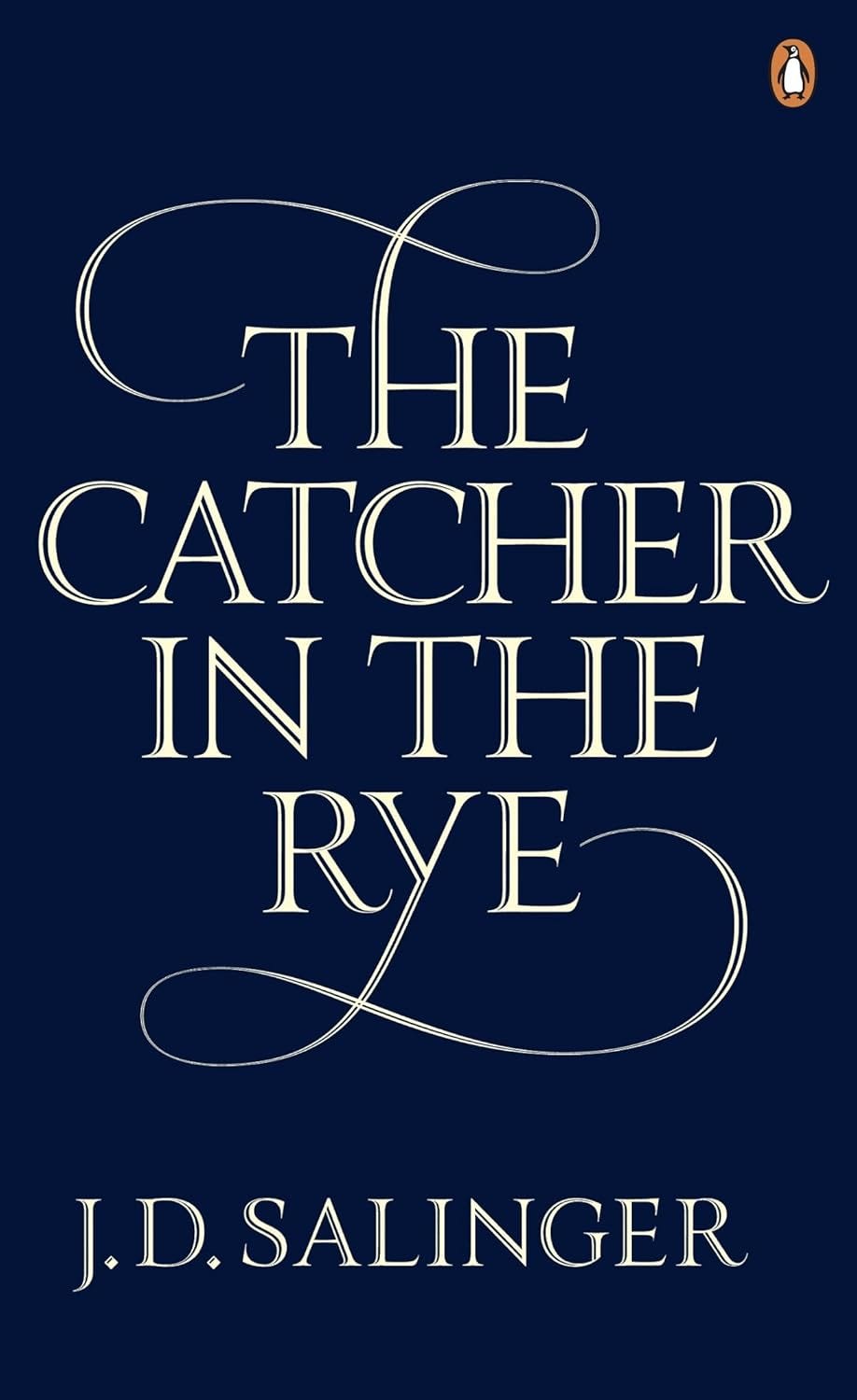
214 pages. A teenager gets kicked out of school and wanders New York for three days, hating everyone and loving his sister. You either loved Holden Caulfield at 16 or you found him exhausting. Either response is correct.
“If you really want to hear about it, the first thing you’ll probably want to know is where I was born, and what my lousy childhood was like.”
Reads in a weekend. Voice-driven, fast, funny in a bleak way. Start here if you claim to hate classics.
Giovanni’s Room | James Baldwin
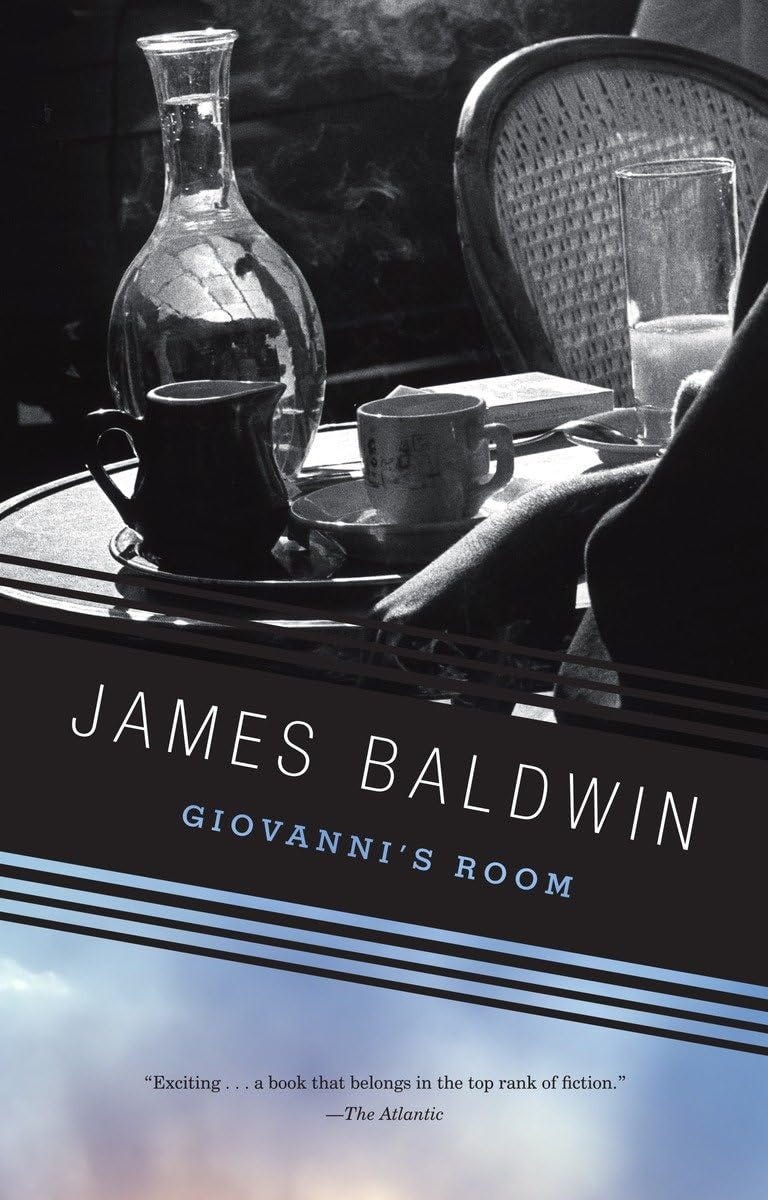
159 pages. An American man in Paris is engaged to a woman and falls in love with a man. He spends the entire book in denial. The denial is the tragedy.
“People who remember court madness through pain, the pain of the perpetually recurring death of their innocence.”
Every sentence earns its place. Short. Devastating. Baldwin does not waste a single word.
This is where the list gets interesting. The books below are the ones people think are hard because of their reputation. Most of them are lying.
You are halfway through the list. The second half is where the real surprises are.
Members get the rest of this post plus:
The live workshop replay: Rewire Your Brain With Dead Authors (recorded Saturday June 6th, now in your archive)
The brand new 30-day reading guide for The Woman in White
The complete Unhinged Classics Roadmap book and guide
The full archive on Day One
Ten dollars a month. Less than a paperback.