
The Only Translation Guide You Actually Need (Russian & Spanish Classics Edition)
Because the Wrong Translation Can Ruin a Great Book

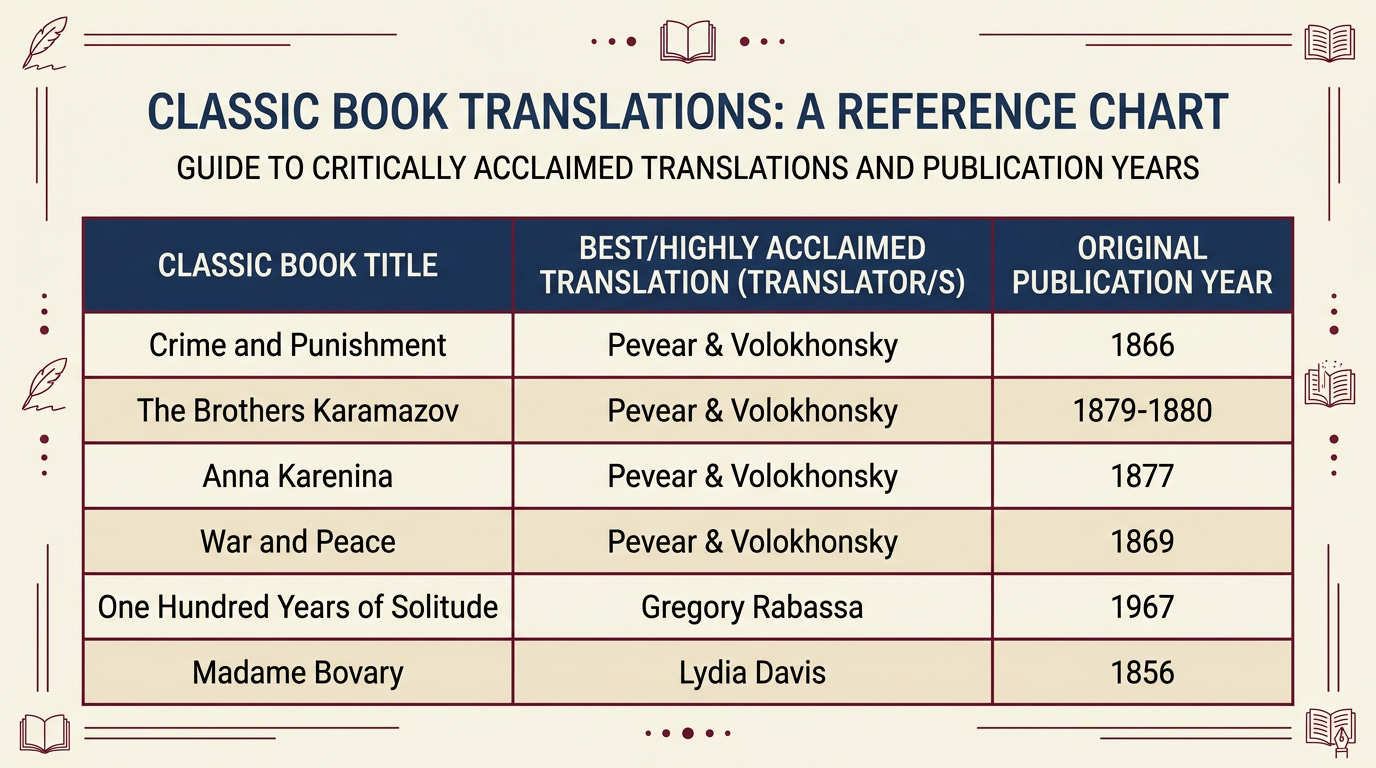
“What’s the best English translation for Crime and Punishment?”
“Which version of One Hundred Years of Solitude should I read?”
“Do translations even matter?”
I get these questions constantly. And the answer is: Yes, translations matter enormously. The difference between a good translation and a bad one isn’t just about accuracy—it’s about whether you’ll actually enjoy the book or give up on page 50.
Reading a classic in the wrong translation is like watching a movie with terrible dubbing. The story is there, but everything feels slightly off. The rhythm is wrong. The personality is flattened. You know you’re supposed to be experiencing something great, but mostly you’re just confused and bored.
So here’s the translation guide I wish someone had given me before I wasted six months on a bad translation of War and Peace. This covers the Russian and Spanish classics you’re most likely to encounter—with specific translator names and why they matter.
Subscribe to Literary Fancy for instant access to reading guides, classics archives, and our community of serious readers.
The Russian Problem: Pevear & Volokhonsky vs. Everyone Else
Let’s start with the most contentious translation debate in modern literature: Richard Pevear and Larissa Volokhonsky.
This husband-and-wife team has retranslated nearly every major Russian classic. They’re praised for staying closer to the original Russian syntax and preserving Dostoevsky’s and Tolstoy’s “rough” style. They’re also criticized for producing clunky, over-literal English.
Here’s what you need to know:
If you want to feel like you’re reading closer to the “real” Russian text: Pevear & Volokhonsky
If you want smooth, readable English prose: Constance Garnett or later translators
Neither choice is wrong. It depends on what you value.
Crime and Punishment by Fyodor Dostoevsky
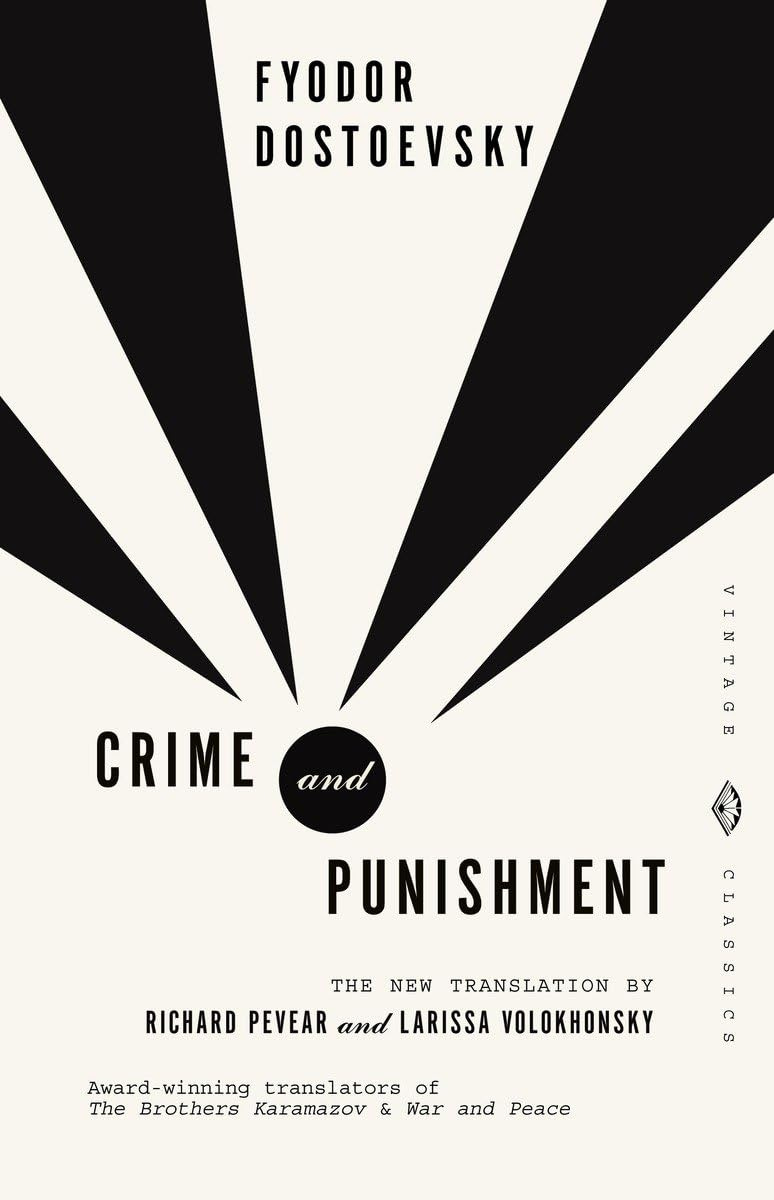
Best translation: Richard Pevear & Larissa Volokhonsky (Vintage Classics, 1993)
Why: They preserve Dostoevsky’s manic energy. His sentences run on. His characters interrupt themselves. His narrator has opinions. It feels chaotic and urgent—which matches Raskolnikov’s mental state.
Runner-up: Michael R. Katz (Norton Critical Edition, 2018)
Why: More fluid English. Better for first-time readers. Loses some of Dostoevsky’s strangeness but gains readability.
Avoid: Constance Garnett (1914)
Why: She cleaned up Dostoevsky’s prose too much. Made him sound Victorian-genteel when he should sound raw and psychological. Fine if you’re reading it for English class in 1952. Not the version I’d recommend today.
The verdict: Start with Pevear & Volokhonsky. If you find it too jarring, switch to Katz. Both are excellent. Garnett is historical artifact at this point.
The Brothers Karamazov by Fyodor Dostoevsky
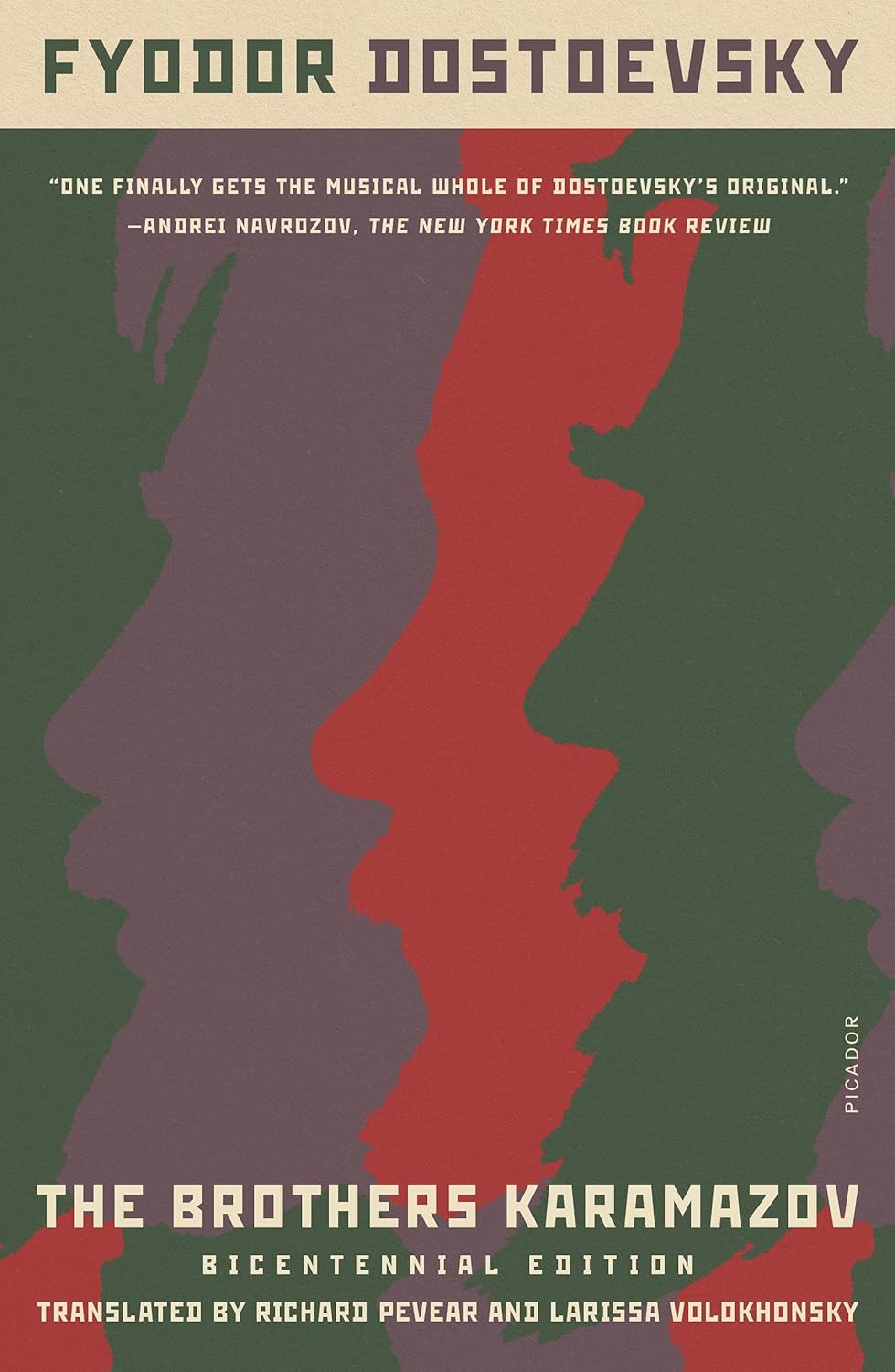
Best translation: Richard Pevear & Larissa Volokhonsky (Farrar, Straus and Giroux, 2021)
Why: This is their masterpiece. They capture the novel’s scope—philosophical dialogues that soar, family arguments that bite, the whole ranging texture of Dostoevsky at his most ambitious.
Runner-up: Ignat Avsey (Oxford World’s Classics, 1998)
Why: More contemporary English. Easier to read. Good choice if Pevear & Volokhonsky feels too dense.
Dark horse: Constance Garnett (1912)
Why: Normally I’m not a Garnett fan, but her Karamazov holds up better than her other Dostoevsky translations. If you like older, more formal English prose, this version has its charms.
The verdict: Pevear & Volokhonsky for most readers. Avsey if you want something smoother. Garnett only if you’re nostalgic for early 20th-century prose style.
Anna Karenina by Leo Tolstoy
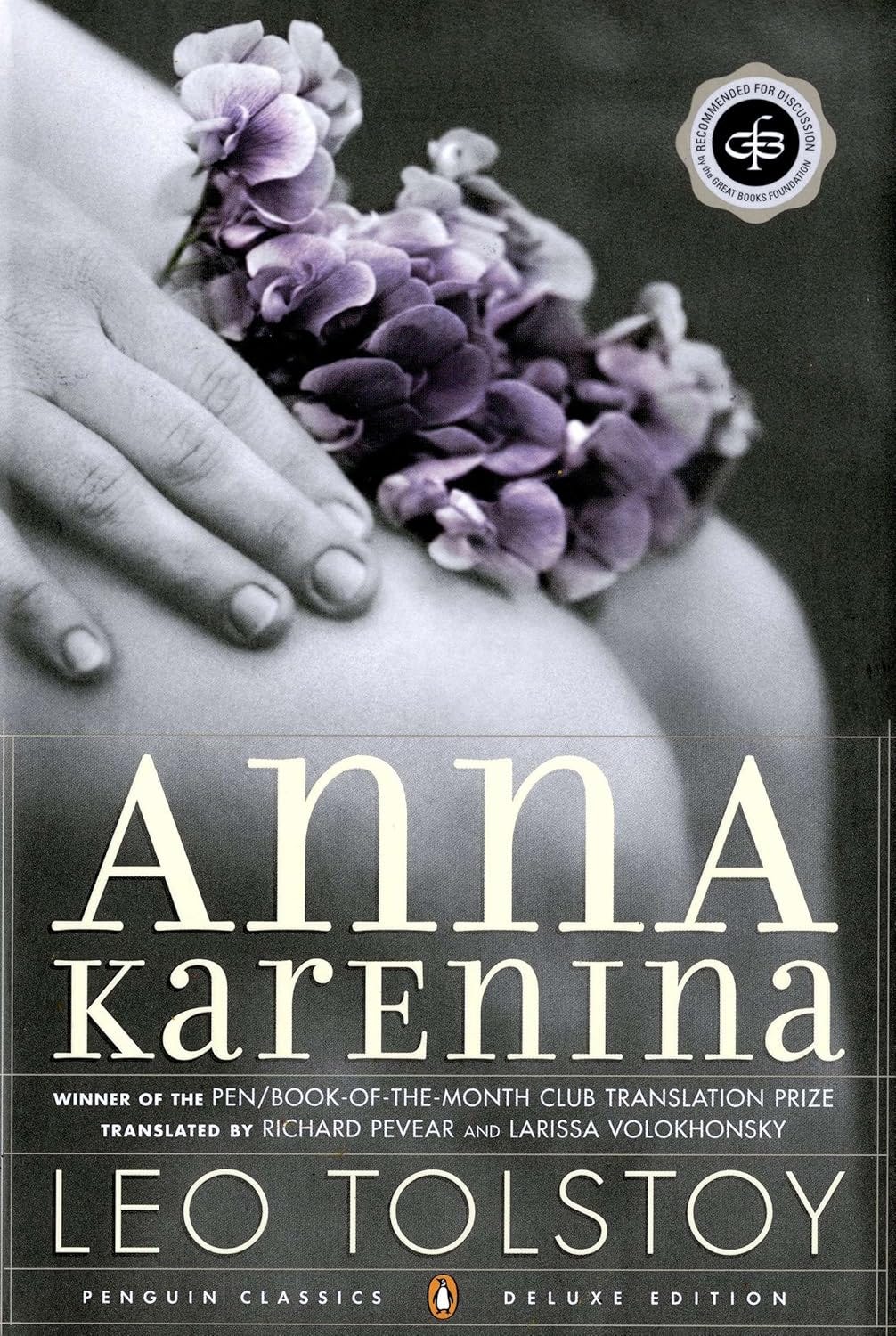
Best translation: Richard Pevear & Larissa Volokhonsky (Penguin Classics, 2000)
Why: They make Tolstoy feel immediate and modern. The party scenes sparkle. The philosophical sections don’t drag. Anna’s psychology feels lived-in rather than described.
Excellent alternative: Rosamund Bartlett (Oxford World’s Classics, 2014)
Why: This is the newer translation that many scholars prefer over Pevear & Volokhonsky. Bartlett argues they’re too literal and she aims for more natural English. The result is beautiful, flowing prose.
Classic choice: Constance Garnett (1901)
Why: Some readers love the Victorian-era phrasing. Makes the book feel more “period.” Personal preference territory.
The verdict: Pevear & Volokhonsky or Bartlett. Both are excellent. Read the first chapter of each and see which voice you prefer.
War and Peace by Leo Tolstoy
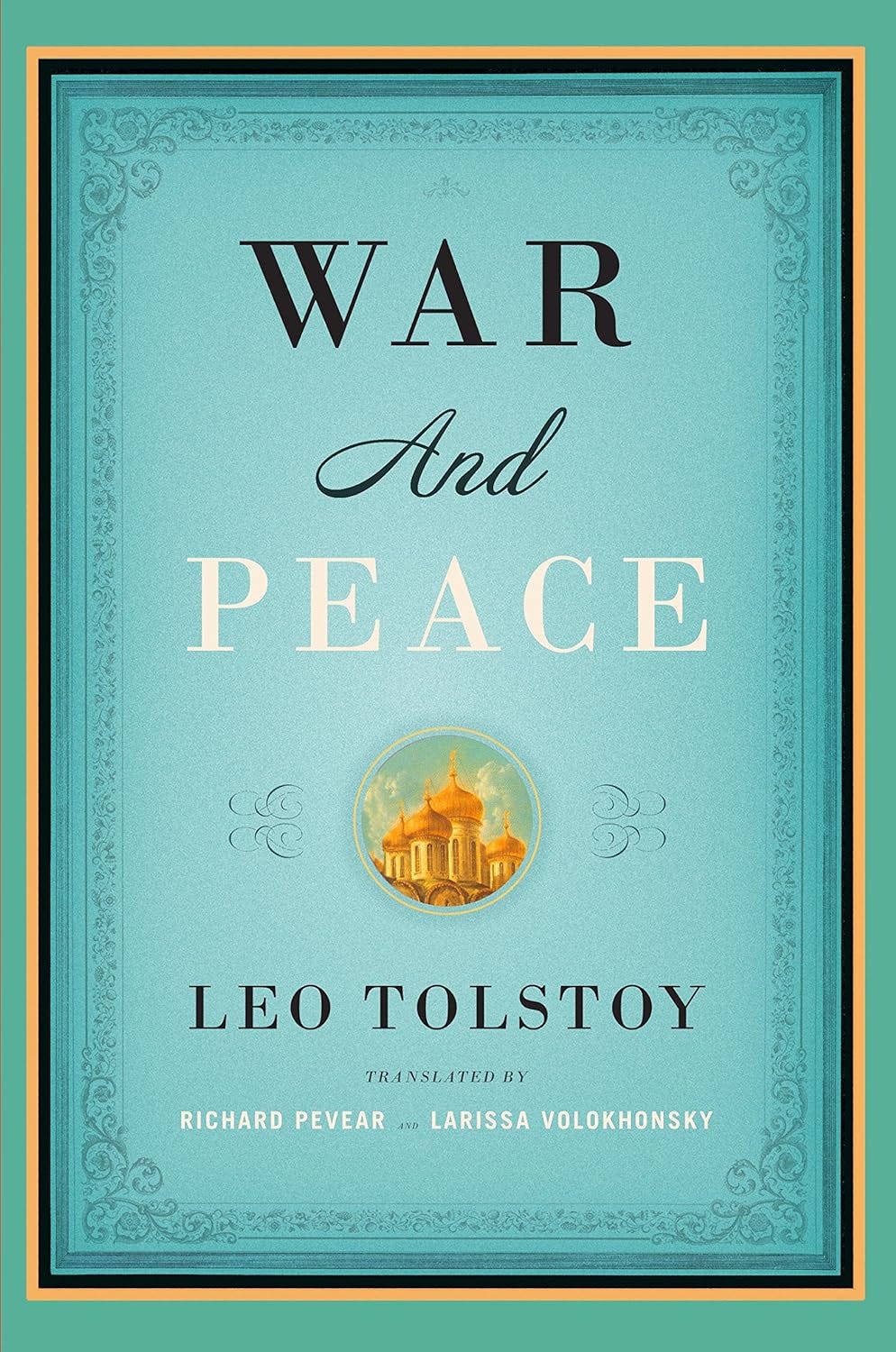
Best translation: Richard Pevear & Larissa Volokhonsky (Vintage, 2007)
Why: This 1,200-page novel feels readable in their hands. They handle the battle scenes, the philosophy, the romance, and the historical sections without flattening Tolstoy’s range.
Accessible alternative: Anthony Briggs (Penguin Classics, 2005)
Why: Briggs prioritizes readability over literal accuracy. Good choice if you’re intimidated by the length and want smoother English prose.
Old standard: Constance Garnett (1904)
Why: Again, historical interest only. She omits the French passages (Tolstoy wrote some sections in French originally). Modern editions restore those.
The verdict: Pevear & Volokhonsky. If you’re going to spend months with this book, you want the translation that feels most alive.
One Hundred Years of Solitude by Gabriel García Márquez
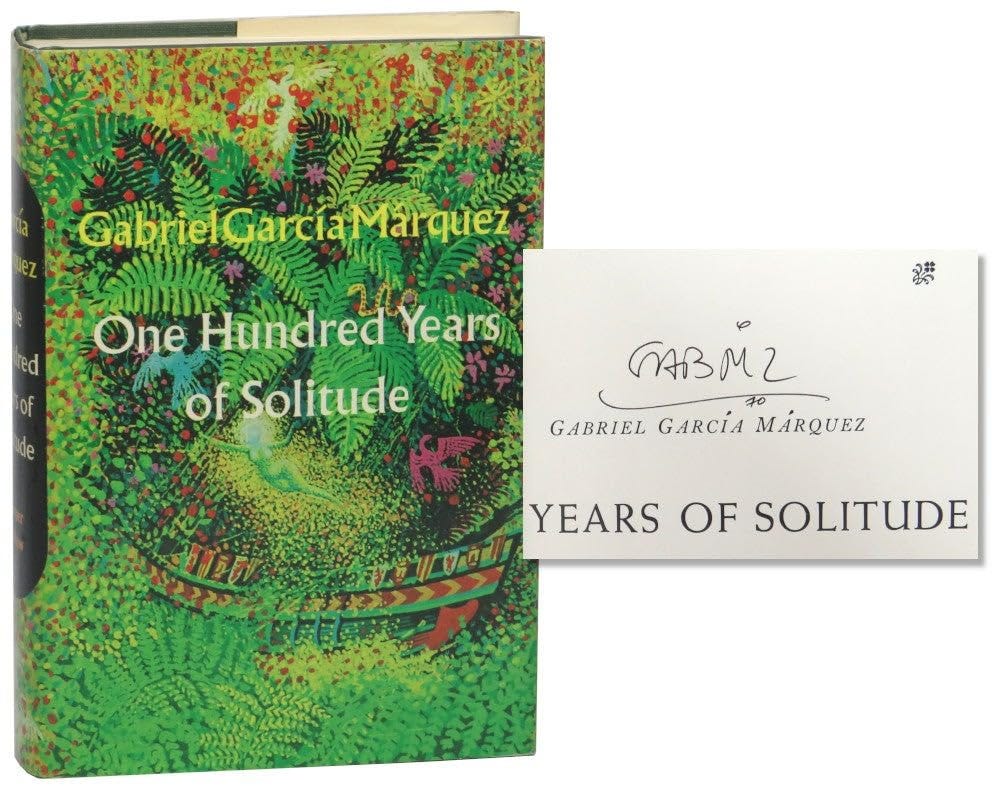
Best (and only) translation: Gregory Rabassa (Harper Perennial, 1970)
Why: Rabassa didn’t just translate words—he translated feeling. The magical realism works in English because he found English equivalents for García Márquez’s Spanish rhythms.
The verdict: There is no alternative. Rabassa or nothing. This is non-negotiable.
The French Question: Does It Matter?
Yes. But less dramatically than Russian.
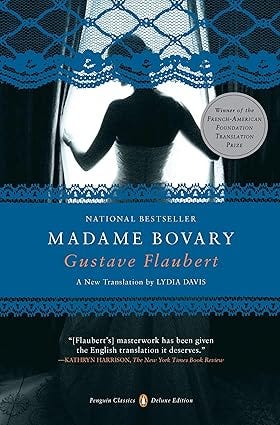
For Flaubert’s Madame Bovary, most modern translations are fine. Lydia Davis’s 2010 version (Penguin Classics) is excellent—spare and precise, matching Flaubert’s style.
For Camus’s The Stranger, Matthew Ward’s 1988 translation (Vintage) captures the flat, alienated tone better than older versions.
For Proust’s In Search of Lost Time, this is a fistfight between scholars. General consensus: The newer Penguin translations by multiple translators (2002-2018) are more accurate than the classic C.K. Scott Moncrieff version, but some readers prefer Moncrieff’s old-fashioned elegance. Your call.
The German Classics: Kafka, Mann, and Why Translation is Interpretation
For Kafka’s The Metamorphosis: Stanley Corngold (Bantam Classics, 1972) or Susan Bernofsky (Norton, 2014). Corngold is starker. Bernofsky is more contemporary. Both capture Kafka’s bureaucratic nightmare tone.
For Thomas Mann’s The Magic Mountain: John E. Woods (Vintage, 1996). This is a dense philosophical novel set in a tuberculosis sanatorium. You need a translator who can make ideas readable.
How to Make Your Own Decision (The Practical Guide)
When you’re choosing between translations, here’s what to do:
Step 1: Read the first page of each version
Most books let you preview online. Read the opening paragraph in different translations. Which voice draws you in?
Step 2: Check the publication date
Generally (not always), newer translations use more contemporary English. If you’re choosing between a 1912 translation and a 2010 translation, default to newer unless you specifically love archaic prose.
Step 3: Look for translator notes
Good translators explain their choices in an introduction or afterword. If they’re thinking carefully about tone, rhythm, and cultural context, that’s a green flag.
Step 4: Trust your gut
Translation is subjective. If you find Pevear & Volokhonsky too clunky, read Garnett. If Garnett feels dated, try someone newer. The best translation is the one you’ll actually finish.
Why This Actually Matters
Translation isn’t just technical—it’s interpretive. Every translator makes choices about tone, rhythm, formality, and how to handle cultural references.
This means there’s no single “correct” translation. Different translators emphasize different aspects of the original. Some prioritize literal accuracy. Others prioritize readability. Some try to preserve the foreignness of the text. Others smooth it out for English readers.
Understanding this frees you from perfectionism. You’re not trying to find the “right” translation. You’re choosing which interpreter’s voice resonates with you.
The Homework Assignment (Sorry)
Pick one Russian or Spanish classic you’ve been avoiding. Look up two different translations. Read the first few pages of each.
Notice:
How do the sentences flow?
Does the dialogue feel natural or stiff?
Can you hear distinct character voices?
Do you want to keep reading?
Then choose. And remember: You can always switch translations if the first one isn’t working. There’s no shame in that. The goal is to actually read the book, not to have read the “correct” version.
Your Turn
Have you read the same book in multiple translations? Did it change your experience? Are there translations you love (or hate) that I didn’t cover?
Drop your translation war stories in the comments. I want to know which versions worked for you and which ones made you give up.
And if you’re about to start a classic in translation, tell me which one and which translation you chose. Let’s make sure you’re set up for success.
Next week: “Why Russian Novels Are Actually Better Than Therapy (And Cheaper Too)” and this week’s member freebie is a guide to War and Peace.
P.S. - If you’re reading Anna Karenina right now and getting confused by the names: that’s normal. Russian naming conventions are wild. Stick with it. It’s worth the confusion.
The classics have been waiting for you. Not to judge you. Not to test you. Just to be read—exactly as you are, right now.
This isn’t another academic reading list collecting dust. It’s the guide I wish I’d had when I first fell in love with classic literature—and the one I still reach for when I need a reminder that reading should feel like coming home, not taking an exam.
For the price of one fancy coffee, you’ll get a lifetime companion for your reading journey. No expiration date. No pressure. Just 55 pages of thoughtful guidance, practical tools, and permission to read the way you want to read.
Your future self—the one curled up with a classic, actually enjoying it—will thank you.
Ready to start? Grab your copy now.

I’d be very interested in your opinion of the various translations of Dante’s Divine Comedy. Personally, I’m a big fan of Dorothy Sayers’s version in Penguin Classics. I’ve also read the translations by Mark Musa (Penguin), John Ciardi (Inferno only) and the Hofstader version.
Sayers’s translation is very readable; it dates from the 1940’s—1950’s and it’s in British English, but if you’re comfortable with the occasional anachronism, it flows nicely. It’s also in Dante’s original prosody, Terza Rima, instead of blank verse or some other rhyme scheme. And, in her introductory notes, she has a section explaining the whole translation scheme, the difficulties of translating Italian into English, the value of Terza Rima, choices of occasional unusual English words to fit the prosody, and more—really helps one see how a translator works, at least this translator of this work.
Perhaps best of all, she has multiple notes, explaining who these people (most of whom I’d never heard of before) are, and why they’re in the poem in the places they are. These notes also help the reader understand Dante’s theology and his astronomy, which are very different from modern understanding of the same ideas. All this is extremely helpful for the first-time reader; I haven’t seen anything quite like it in other translations.
The Hofstader version is, IMHO, the most scholarly; very useful if you want to take a deep dive into what modern (19th-20th century) scholars have thought and written about Dante. The translation itself is probably closer to the Italian than Sayers’s—but I don’t know a word of Italian, so my opinion probably isn’t worth much.
As you can tell, I’m a big fan of Sayers’s version; I think she goes the extra mile in helping a first-time reader understand what’s going on. It was a very big help to me reading the poem for the first time. The Hofstader version is best for finding scholarly works on Dante; IMHO, the other translations are acceptable, but don’t light my fire the way Sayers’s has—every five years or so I reread it—now, I can skip a lot of the notes, since I’ve learned a lot about Dante and his world, and can concentrate on the poem as a poem, which is delightful.
I hope this is of some use to you.
RE Garrett, MD, MA
Associate Professor Emeritus
Department of Family Medicine
University of Iowa
Thanks for this very useful guide. My wife read the Pevear and Volokhonsky "War and Peace", but I did a lot of research and ended up reading the Louise and Aylmer Maude translation, with French passages restored and other editing by Amy Mandelker. I liked it just fine, but if I ever read the book again I think I'll try P & V, just for contrast.
One thing I'm always wary of is translations meant "to appeal to modern readers", which sounds suspiciously like something dumbed-down. If I'm reading a book from the nineteenth century, I want it to sound like it was written in the nineteenth century, not 1995.