

In This Post
📚 The opening and closing lines from nine classics that know exactly what they are doing
📖 Why a delicious sentence can be the most honest invitation into a difficult book
There is a particular kind of person who says, very seriously, that you should not judge a book by its first line.
This person has clearly never opened *Moby-Dick* and been told, with no warm-up and no PowerPoint presentation, “Call me Ishmael.”
Of course you should not decide the entire moral worth of a book from one sentence. That would be unhinged.
But should you let a first line seduce you a little? Should you let a last line ruin your afternoon in the most elegant possible way? Should you pick up a book because one sentence made the air in the room change?
Absolutely.
We have let reading become very dutiful. We talk about themes and difficulty levels and whether a book will make us better people, which is all fine, I suppose. Very noble. Very respectable.
But sometimes you need a sentence that makes you sit up straighter and whisper, oh, you are going to be trouble.
That is a perfectly good way into a classic.
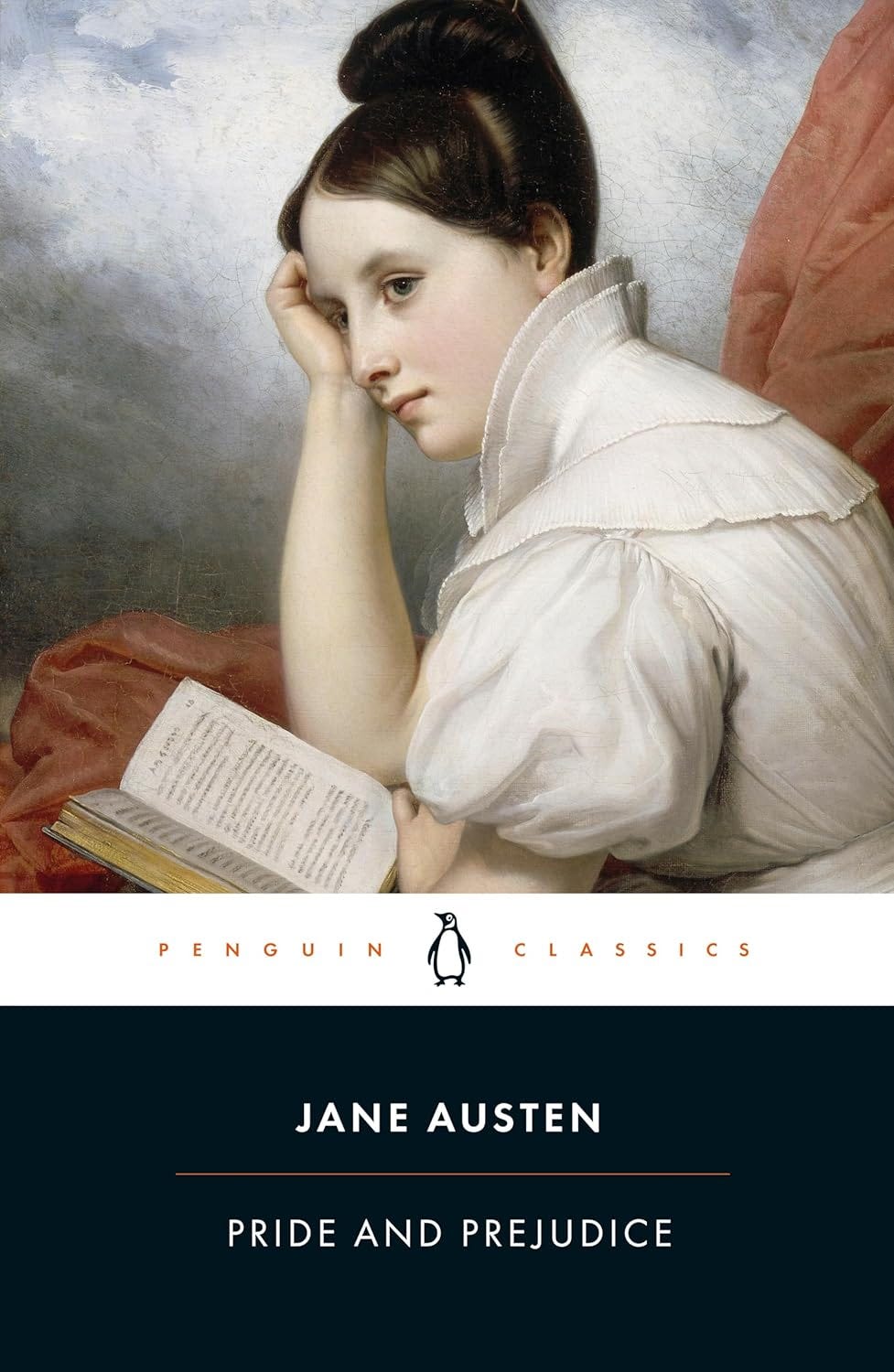
It is a truth universally acknowledged, that a single man in possession of a good fortune, must be in want of a wife.
Pride and Prejudice, Jane Austen
Jane Austen begins with a joke so polished it could cut glass. She is not telling you a rich man wants a wife. She is telling you that every mother within a ten-mile radius has already made plans for him, his money, his daughters, and probably the curtains.
Before Elizabeth Bennet even arrives, Austen has handed you the whole social machinery: money, marriage, panic, manners, and women forced to treat a good match like a public utility.
It is gossip. It is economics. It is a loaded pistol wearing a bonnet.
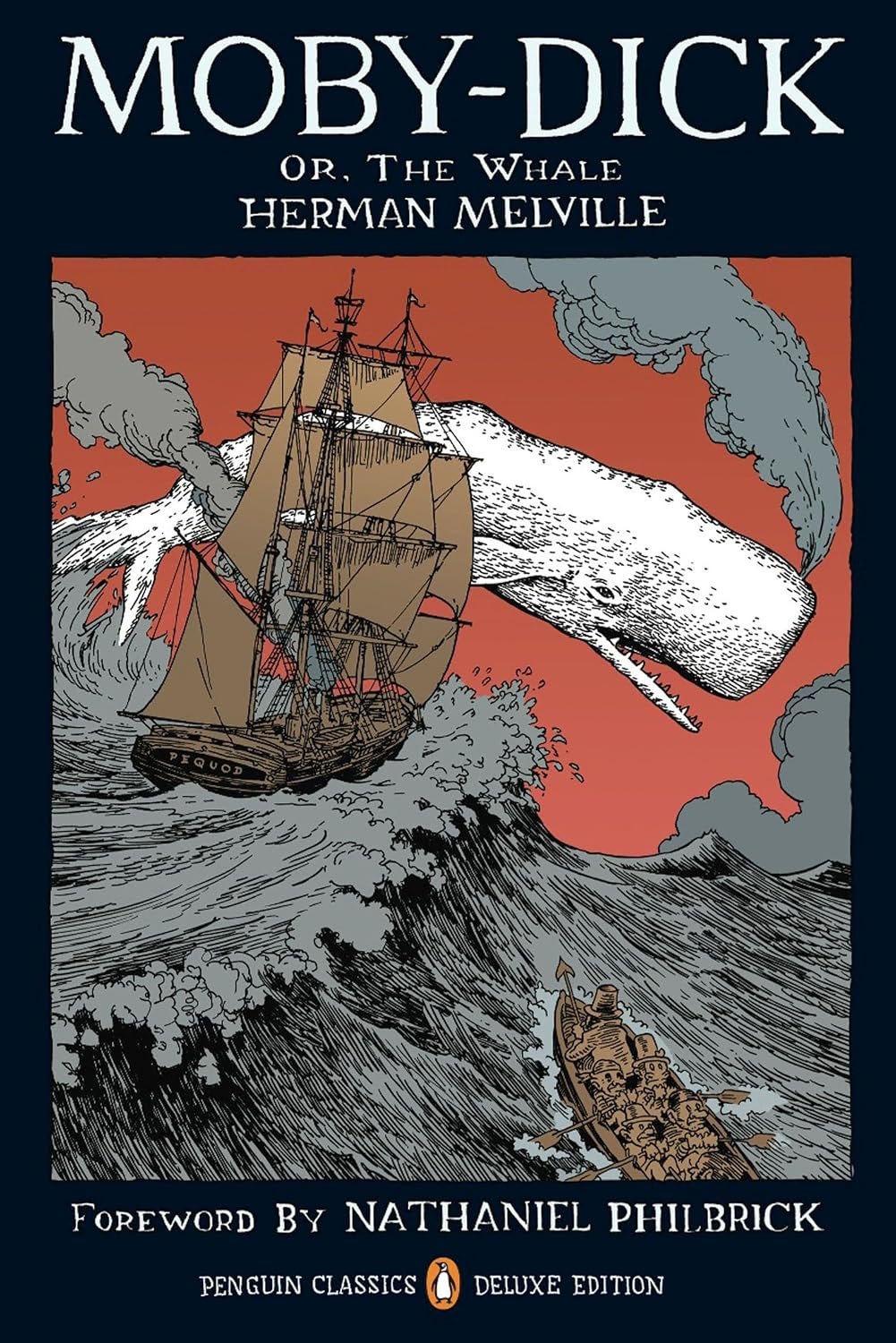
“Call me Ishmael.”
There are first lines that knock. This one leans against your doorframe and assumes you are coming with it.
Three words. No backstory. No permission slip. A man has a name, a problem, and apparently enough confidence to begin a very large whale book like he is introducing himself at a bar.
You do not need to be ready for every sermon, storm, and cetological detour in Moby-Dick to appreciate the audacity of that entrance. He had me at hello. Melville would hate that sentence, which improves it.
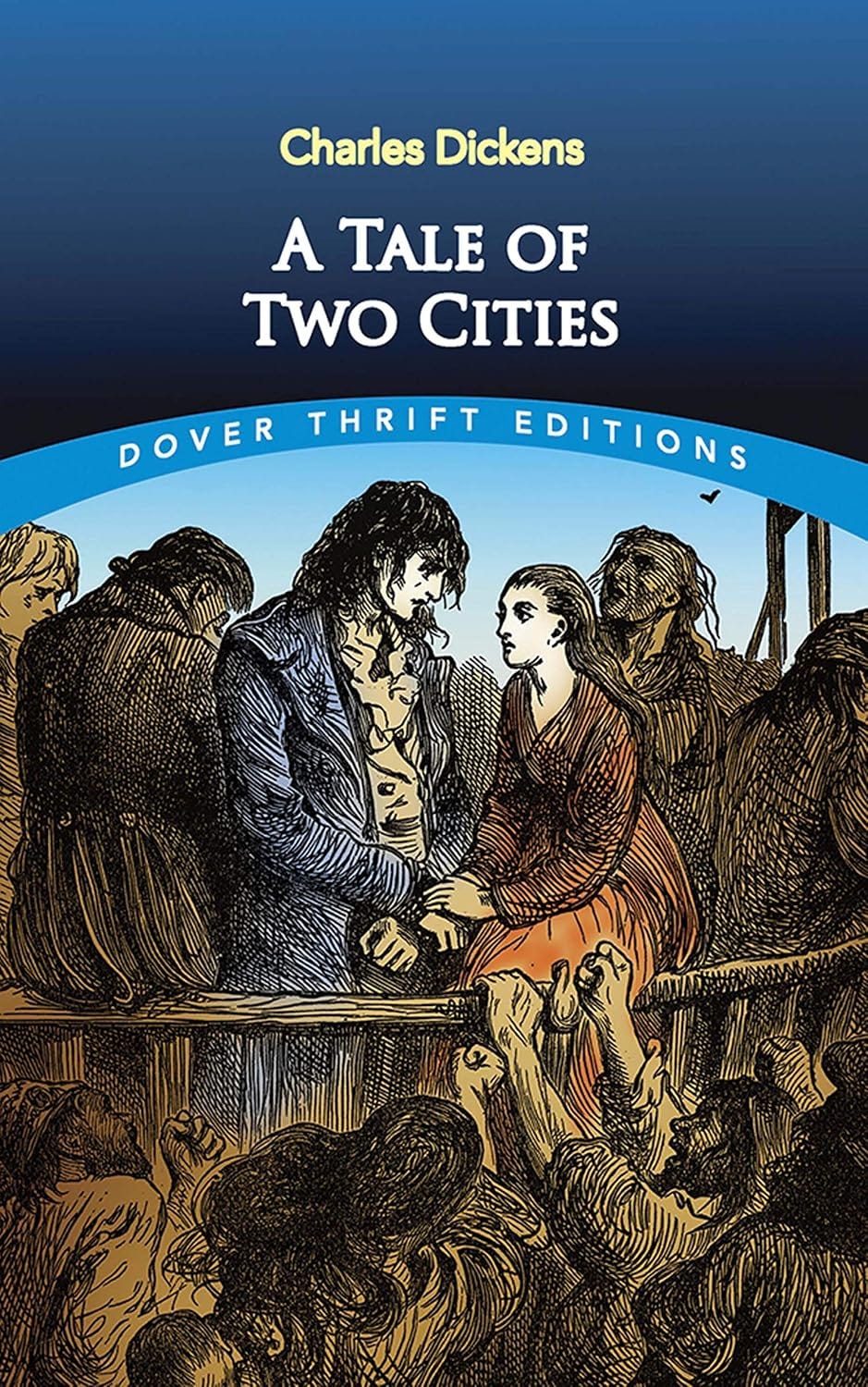
“It was the best of times, it was the worst of times...”
Yes, you know it. Yes, it has been printed on every tote bag in the English-speaking world. Dickens did not cause that. He simply wrote a sentence so dramatic that every generation has tried to wear it as an accessory.
The line works because it refuses the neat version of history. Everything is flourishing and everything is falling apart. People are having a lovely dinner while the whole political structure is making a suspicious creaking noise downstairs.
Frankly, it still has range.
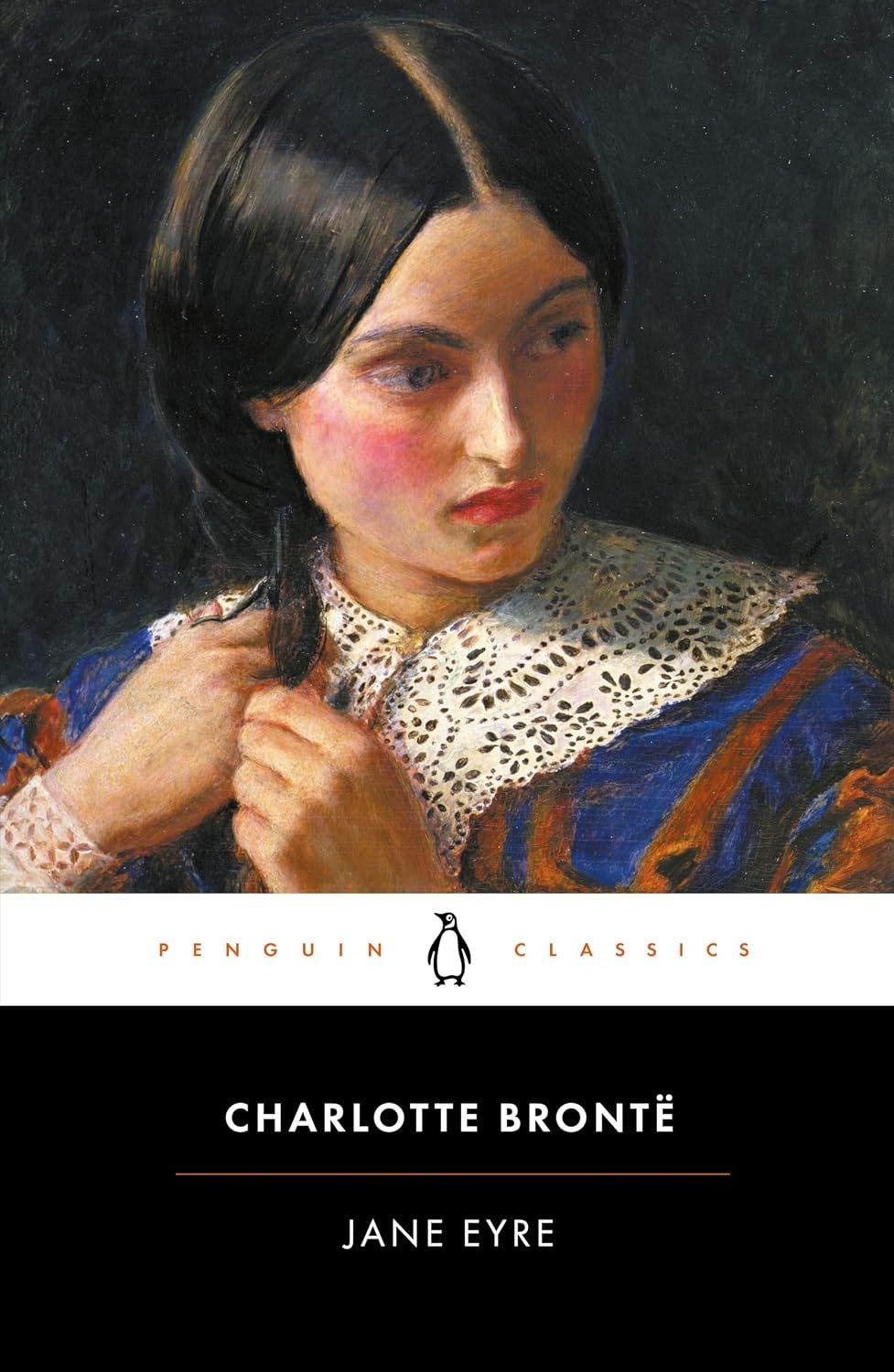
“Reader, I married him.”
There is no simpering. No elaborate wedding montage. Jane tells you the news like a woman who has filed the paperwork, considered the facts, and retained full custody of her own mind.
That is why this last line feels so good. Jane does not end as a prize collected by a difficult man in a house with too many locked rooms. She tells us what happened in her own voice.
Reader, she married him. On her terms. Put that on a throw pillow.
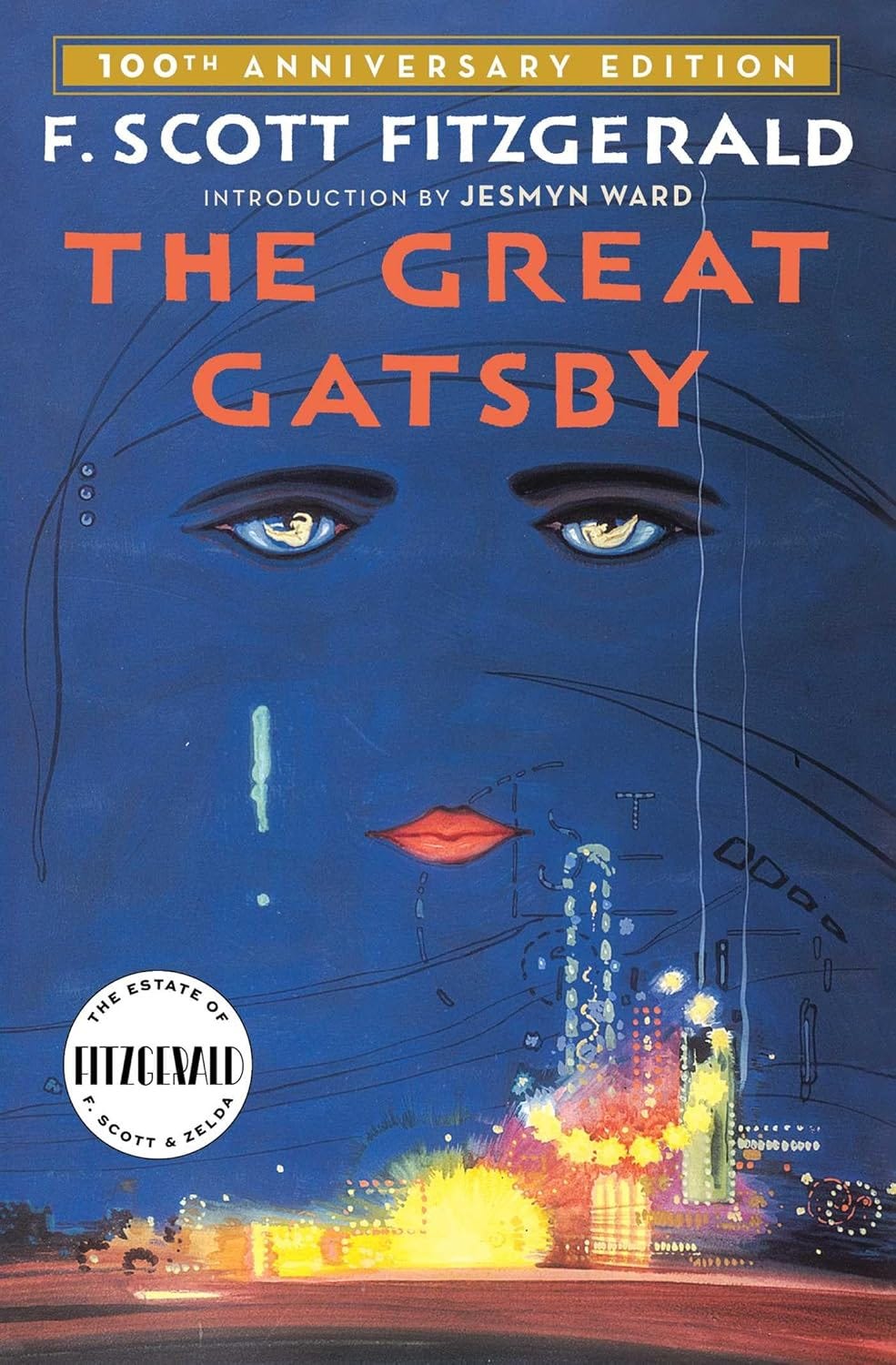
“So we beat on, boats against the current, borne back ceaselessly into the past.”
And there it is. The sentence that turns a summer of bad parties, bad men, and one extremely expensive fantasy into a small emotional shipwreck.
Fitzgerald gives you the whole awful human project in one line. We keep reaching forward. We keep imagining the next version of ourselves will finally arrive. Meanwhile, the past has us by the ankle and is being very rude about it.
Nobody has ever made failure sound so beautiful.
Five more perfect entrances and exits below, plus a private classics menu for the days you want a book to flirt with you first.
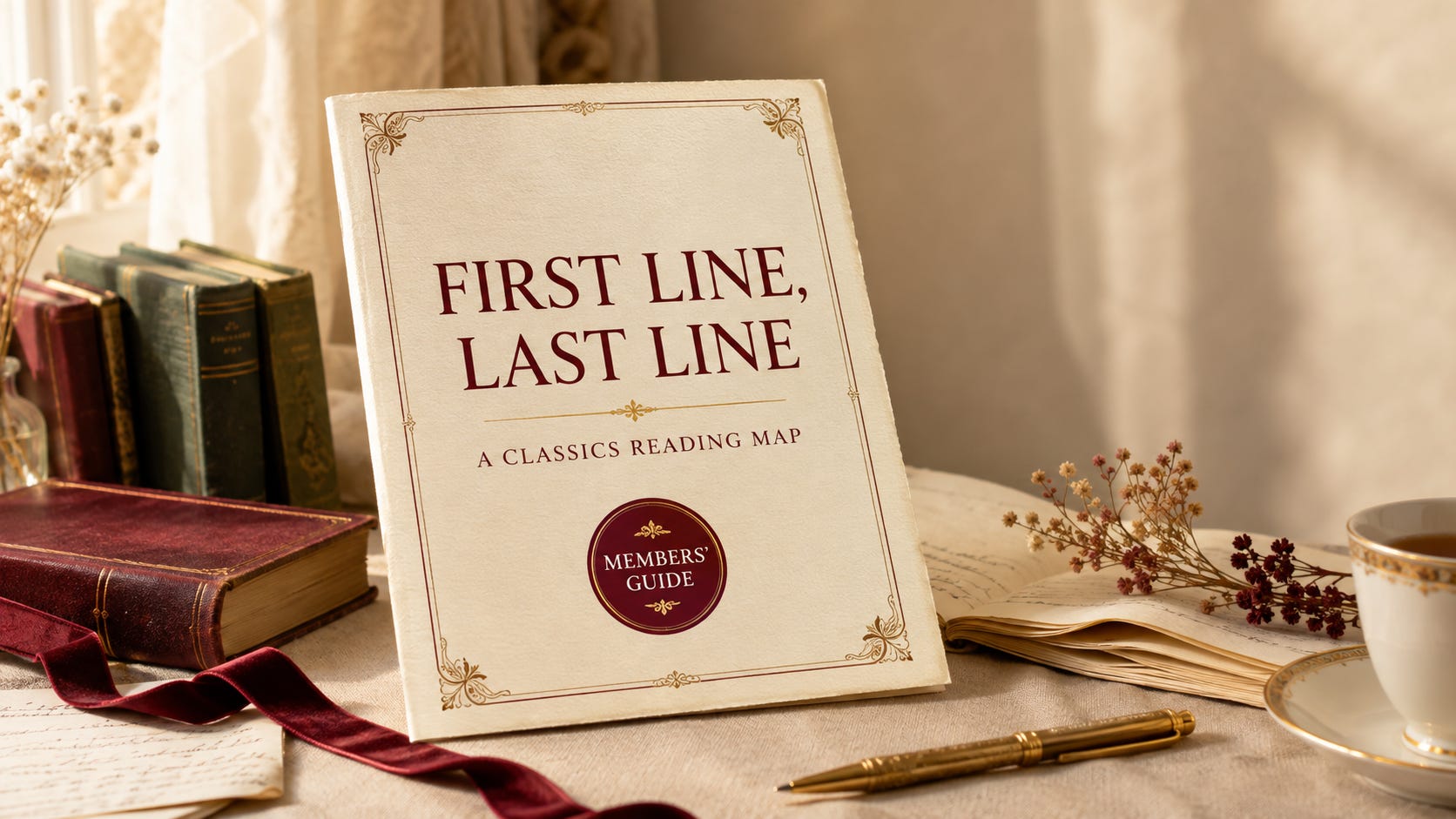
For paid members, I made you a little companion guide for choosing your next classic by the feeling you are hungry for.
First Line, Last Line, What It Promises is a reading map for when you want the right kind of bookish devastation, glamour, romance, chaos, or beautiful sentence. It is waiting just below.