

Every Book That Appeared in Lost and Why the Writers Put It There
The show was a book club with a plane crash in it.

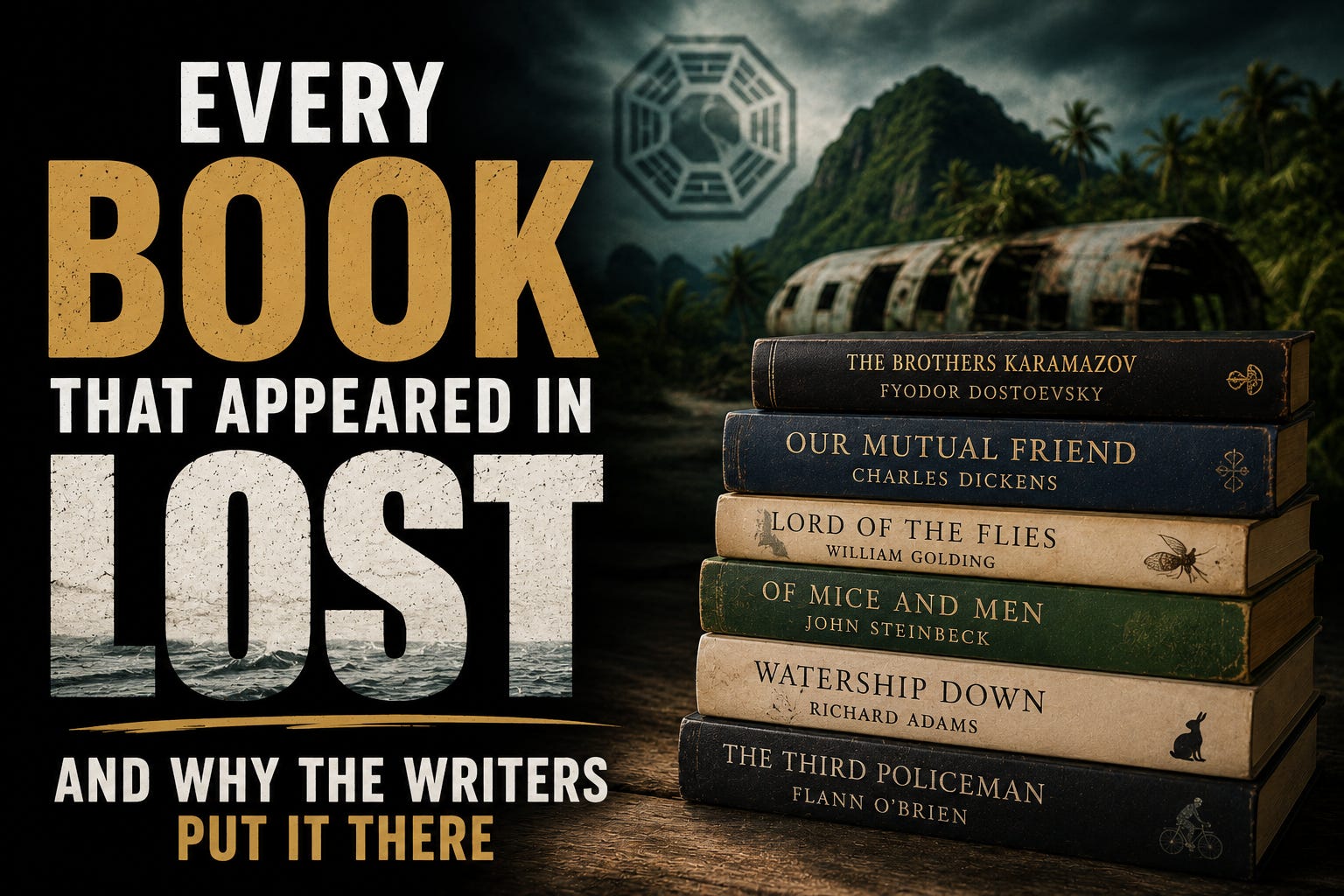
Let me tell you something about Lost that the discourse around it mostly missed.
It was not a show about a smoke monster. It was not a show about time travel, or polar bears, or whether purgatory is real, or what the numbers mean. It was a show about what people carry with them when everything else is taken away, and the writers communicated this almost entirely through books.
Every book that appeared in Lost was placed deliberately. The showrunners and writers chose them based on their themes, their plots, their questions. If a character was holding a book, that book was telling you something about the character or foreshadowing something about what was coming. If you read the books, you saw the season before the season aired.
Here are the books that appeared in Lost, what they actually mean, and why literary people have been talking about this show for twenty years.
The Books, One by One
Our Mutual Friend by Charles Dickens (1865)
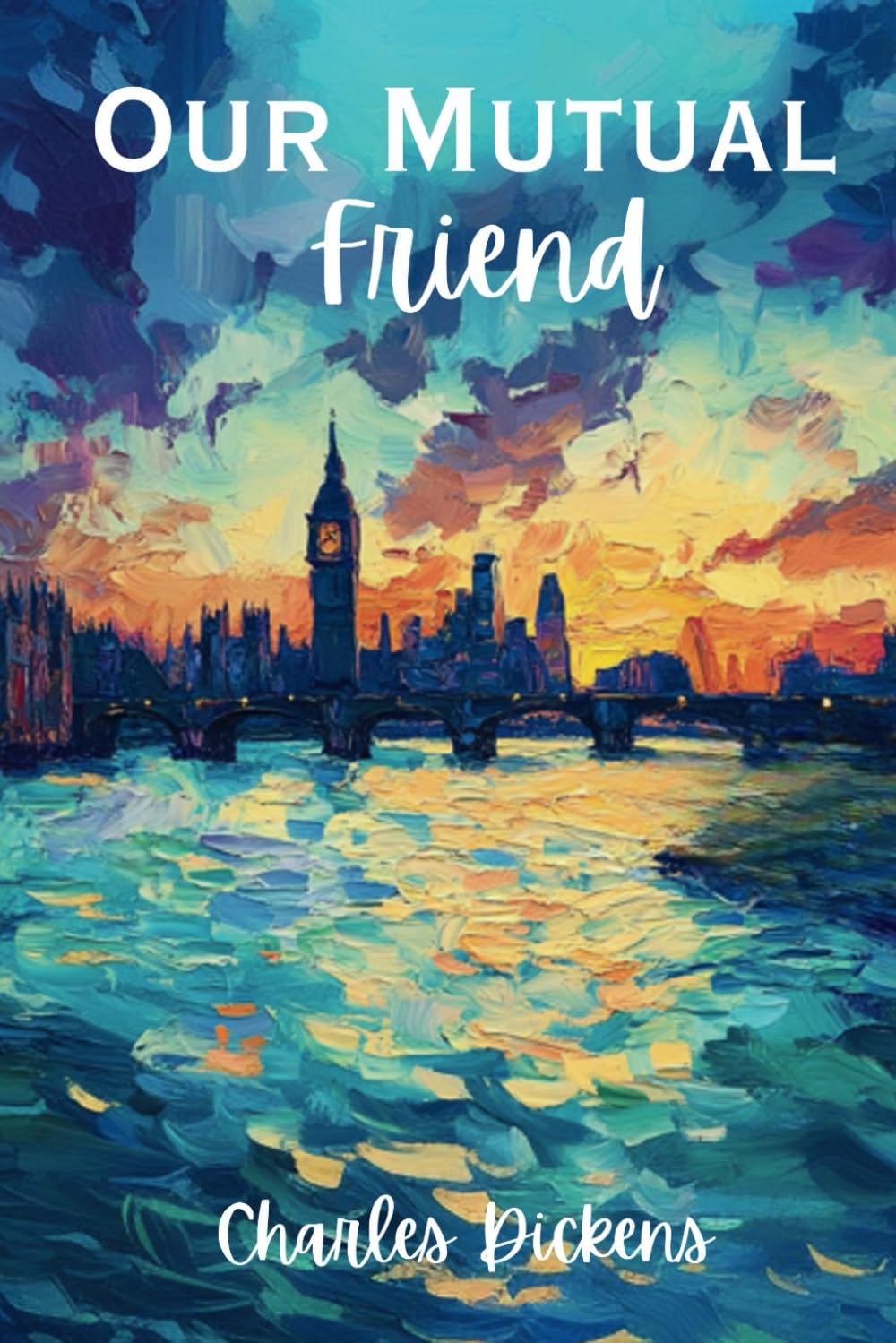
Desmond Hume kept a copy of Our Mutual Friend in his jacket for years, intending to read it as the last thing he ever did before he died. He did not open it until he was ready. Then he found a note inside from Penny.
![Master Sergeant | >: 4-8-15-16-23-42 [EXECUTE] - LOST Solved](https://substackcdn.com/image/fetch/$s_!pv5d!,f_auto,q_auto:good,fl_progressive:steep/https%3A%2F%2Fsubstack-post-media.s3.amazonaws.com%2Fpublic%2Fimages%2F34c2ed80-e1d1-4cdf-80bf-523f3e4eb711_1260x710.jpeg "Master Sergeant | >: 4-8-15-16-23-42 [EXECUTE] - LOST Solved")
Our Mutual Friend is Dickens’s last completed novel and it is about faked deaths, stolen identities, characters who reinvent themselves completely, and whether a person can become someone different from who they were. The central plot involves a man presumed drowned who returns to watch his own funeral, disguised as someone else, to see who mourns him and whether it is genuine.
Desmond spent three years in a hatch pushing a button to possibly save the world, or possibly to do nothing at all. He did not know which. Our Mutual Friend is about people who do not know whether what they are doing matters and keep doing it anyway. The writers knew exactly what they were doing.
The Brothers Karamazov by Fyodor Dostoevsky (1880)
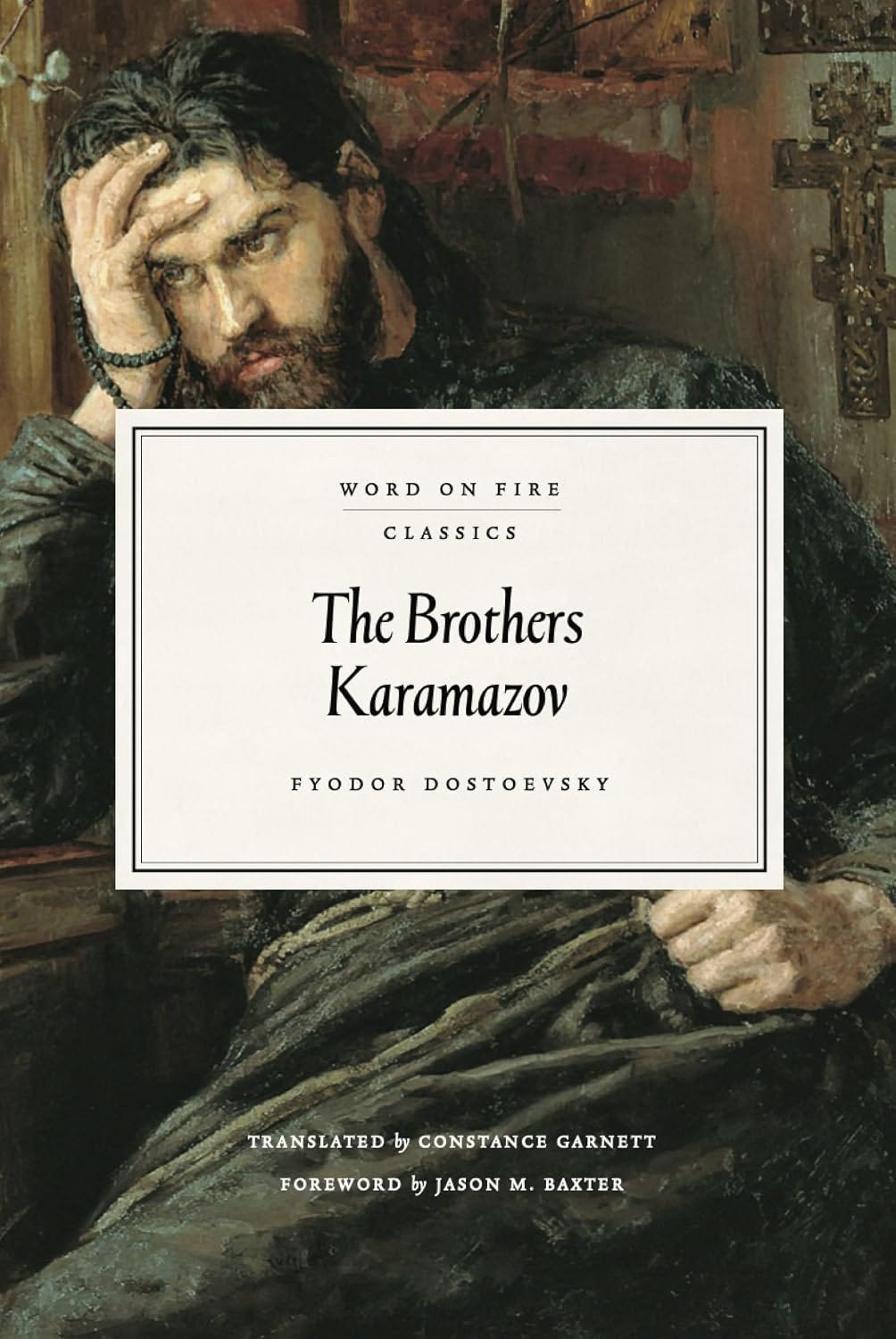
In Lost, The Brothers Karamazov is filled with eerie connections to the show’s own themes. Locke gives the novel to “Henry Gale” while holding him captive in the Swan, and Ben later draws the map to Henry Gale’s balloon on its title page.
The book’s central exploration of patricide mirrors the deaths of Anthony Cooper and Roger Linus. Although Sawyer physically kills Cooper, Locke is arguably the intellectual architect of the murder, much like the complicated guilt shared among the Karamazov brothers.
Even the show’s recurring polar-bear imagery may contain a Dostoevsky connection. The famous “don’t think of a white bear” experiment was reportedly inspired by Dostoevsky’s account of challenging his brother not to think about one, only to make the image impossible to suppress.
Lord of the Flies by William Golding (1954)
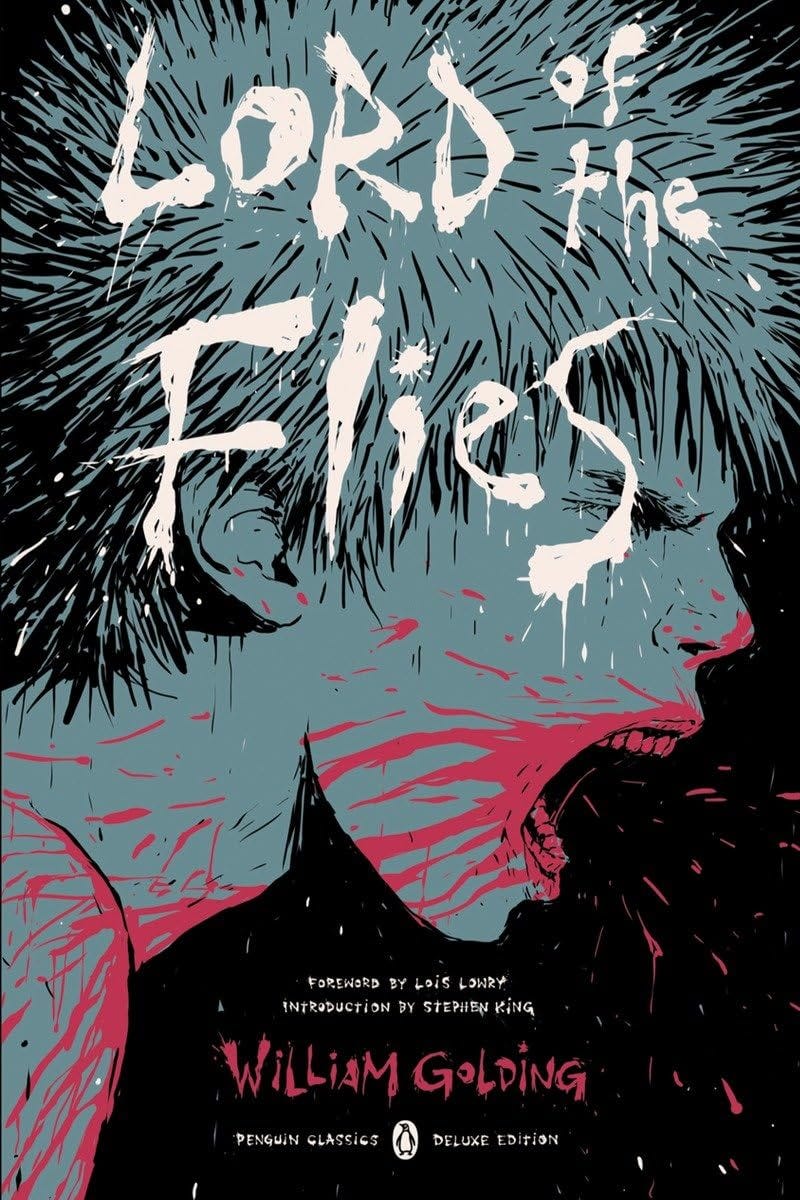
Lord of the Flies becomes shorthand in Lost for how quickly civilized people can descend into fear, suspicion, and violence. After capturing Jin and falsely accusing him of burning the raft, Sawyer observes that the survivors may have been doctors and accountants before the crash, but “it’s Lord of the Flies time now.”
Charlie later makes the same comparison when describing the tail-section survivors, saying they appeared to have gone “bloody Lord of the Flies out there.” Both references reinforce one of the show’s central questions: how long can the rules of civilization survive when people are isolated, frightened, and fighting to stay alive?
Golding’s novel asks whether the violence that emerges on the island is a product of the island or whether the island just revealed what was always there. Lost asks the same question for six seasons. The island did not make these people. It removed the structures that were keeping them from being fully themselves.
Of Mice and Men by John Steinbeck (1937)
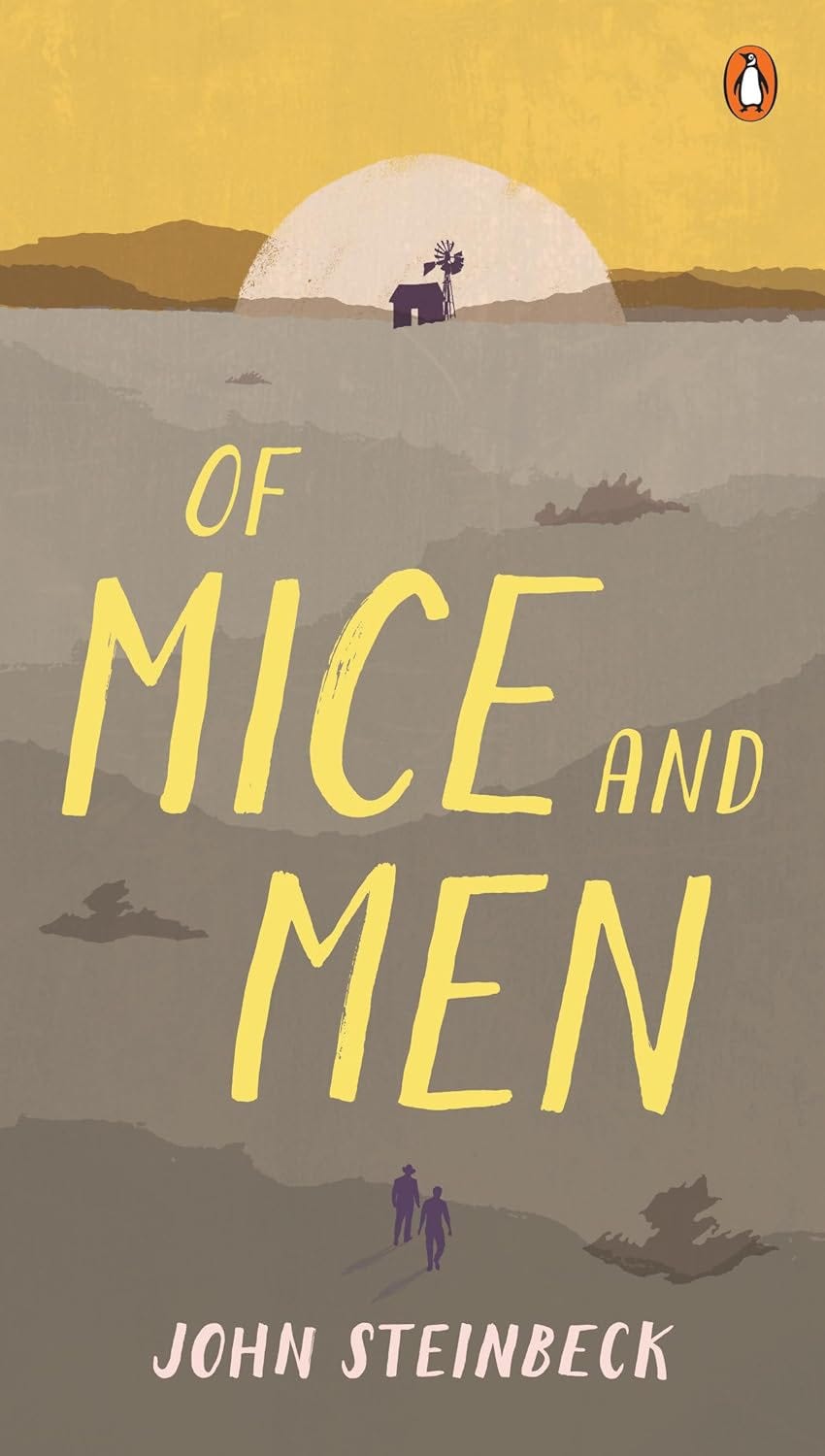
Of Mice and Men holds special significance for Sawyer, who reads the novel while in prison and later identifies Steinbeck as his favorite author. Ben quotes its famous meditation on loneliness while revealing that they are on Hydra Island, connecting the novel’s isolation to Sawyer’s own guarded, bitter nature.
Sawyer even resembles some of Steinbeck’s outsiders, particularly Crooks, whose trauma has made him distant and distrustful. The reference returns years later when Sawyer explains the book’s tragic ending to the Man in Black, describing how George shoots Lennie before drawing his own gun and threatening to do the same.
Sawyer’s entire arc is about a man who decided he was a predator because that was easier than being someone who could be hurt. He chose the name of the man who destroyed his family and became him. Of Mice and Men is about people who carry damage and the different ways that damage comes out. The writers put that book in his hands in the first season and told you exactly who he was.
Watership Down by Richard Adams (1972)
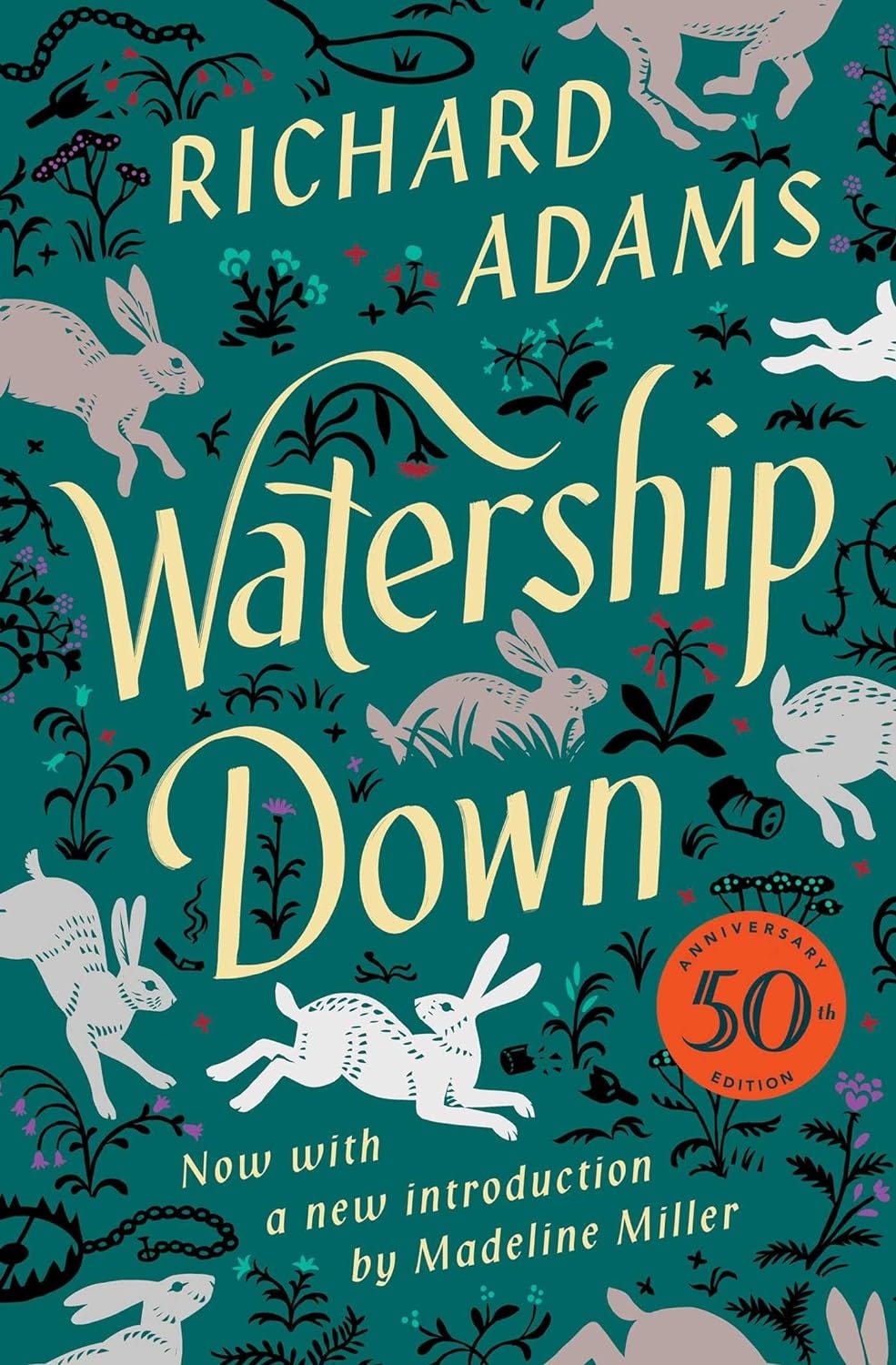
Watership Down originally belongs to Boone, who checked it with his luggage aboard Flight 815, but it eventually ends up among Sawyer’s belongings. When Kate discovers it on the beach, Sawyer dryly describes it as a “hell of a book” that is simply “about bunnies,” a wonderfully misleading summary of a novel filled with exile, survival, violence, leadership, and the search for a safe home.
Boone later finds the book in Sawyer’s luggage and assumes Sawyer also has Shannon’s missing asthma inhalers. Sawyer continues reading it throughout the series, and the novel even appears on his chest of drawers in the flash-sideways timeline.
Its displaced rabbits, forced to build a new society while facing constant danger, offer one of the clearest literary parallels to the survivors of Flight 815.
The Third Policeman by Flann O’Brien (1967)
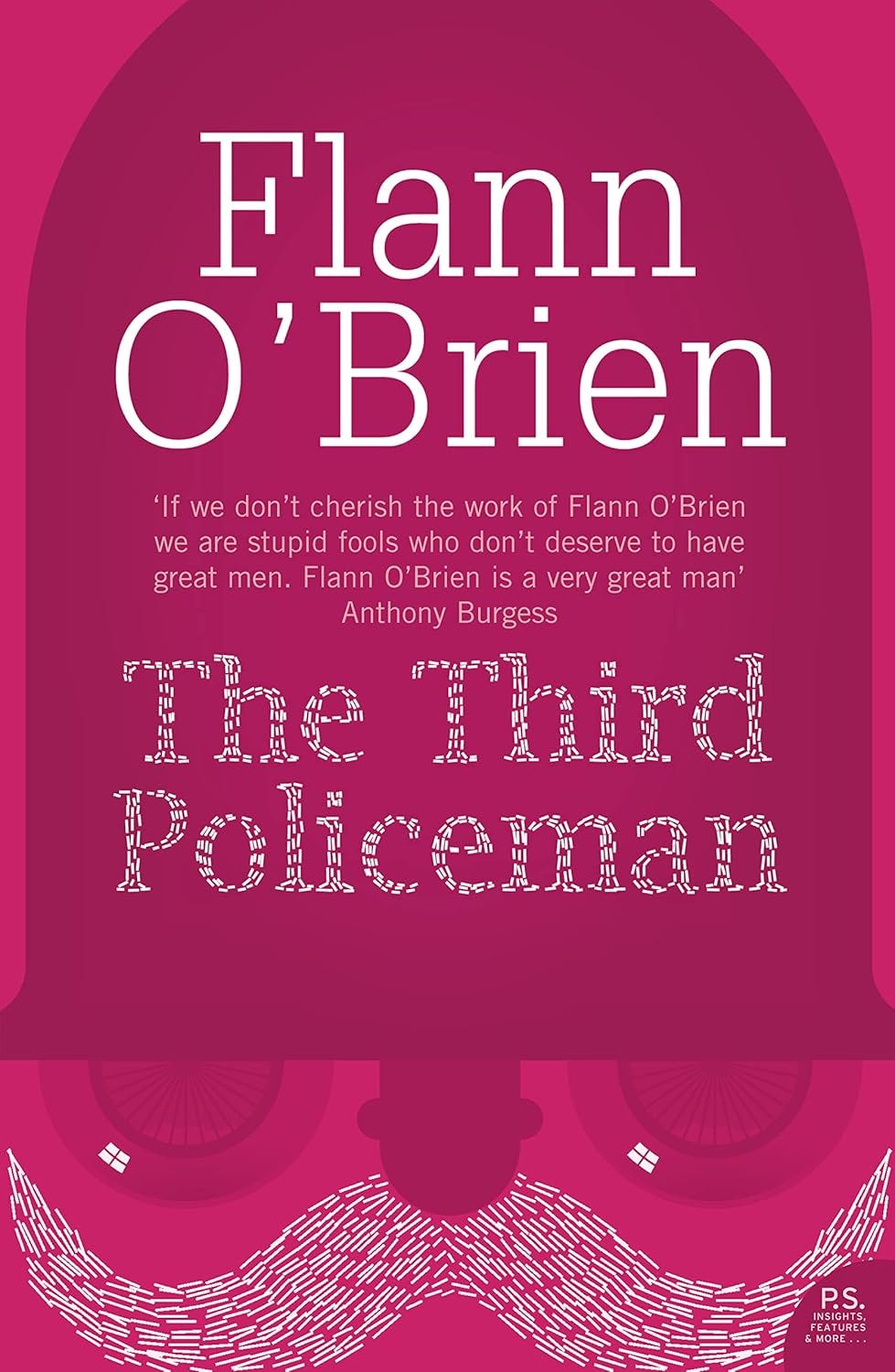
This is the one that fans treated as the biggest clue in the show’s history. The novel was published in 1967, declined by every publisher O’Brien submitted it to during his lifetime, and not published until after his death. It is about a man who commits a murder and then finds himself in a bizarre, circular, logic-defying world where nothing quite makes sense, time does not work normally, and the same things keep happening in slightly different configurations.
The man in the novel does not realize for most of it that he is dead.
The Third Policeman appears at the beginning of Season 2, when the survivors finally enter the Hatch and find Desmond living inside the Swan.
When eagle-eyed fans recognized The Third Policeman, they came back convinced the island was purgatory. They were not entirely wrong, though the specific answer was more complicated. The writers acknowledged later that the book was an intentional plant. O’Brien wrote the definitive novel about a character trapped in a repeating, inexplicable afterlife and unable to recognize it. The showrunners handed it to the show’s most manipulative, most inexplicable character and waited.
A Wrinkle in Time by Madeleine L’Engle (1962)
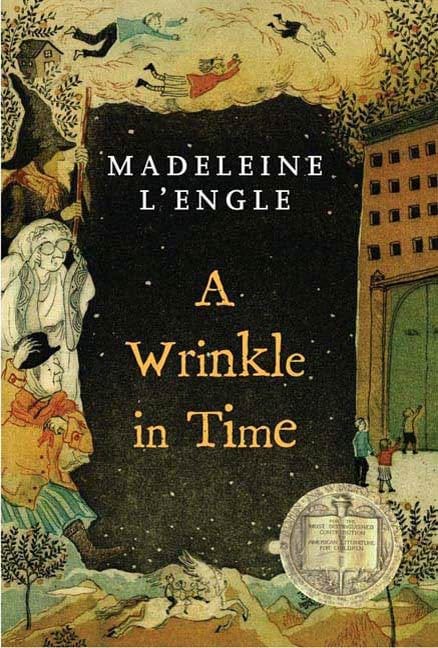
A Wrinkle in Time is another novel Sawyer reads on the Island, specifically the 1976 commemorative edition featuring cover art by Cliff Nielsen. The book appears again in the flash-sideways timeline, sitting on Sawyer’s dresser alongside two other novels. Its inclusion may also connect to the mysterious lighthouse wheel, where number 108 is labeled “Wallace,” possibly referencing the novel’s Charles Wallace.
With its exploration of time, alternate realities, mysterious forces, and the struggle between good and evil, A Wrinkle in Time feels perfectly at home in the world of Lost.
What All These Books Have in Common
If you look at the list, a pattern emerges that is not accidental.
Every book in Lost is about one of three questions: Can a person change? What do you owe the people who depend on you? And is there something larger than individual survival that is worth dying for?
The characters carried these questions onto the island in their luggage. The island made them answer. The books told you which character was asking which question and how they were going to answer it, usually in the first season, usually before the character themselves knew.
This is what classic literature does when it is working properly. It does not resolve questions. It holds them open long enough for you to feel the full weight of them. Lost understood this and built six seasons around it.
The books are still worth reading. They are better than the show on the questions the show was asking. That is what classic literature always is: the better, slower, more complete version of the story the thing you loved was reaching for.
Join Literary Fancy as a member this July and get the full member drop waiting in the library:
Crime and Punishment 60-Day Reading Guide
North and South Reading Guide
The Literary Focus Guide in PDF and Kindle/EPUB formats
100 “Boring” Classics That Are Actually Unhinged in all available versions
The Unhinged Classics companion guide
The full Literary Fancy member archive
July 11 live class: Write in the Margins, Wake Up Your Brain
Membership is $10/month, which is deeply rude math considering one paperback alone costs more than that. If you want classics to feel less like homework and more like gossip with better sentences, come join us.

If this post made you think, laugh, or immediately text someone a quote with no context:
You can buy me a coffee on Ko-fi. Proust wrote seven volumes while chronically ill and barely leaving his cork-lined bedroom. I write this with six children and a full-time job. Proust had a housekeeper. I have a coffee maker. The comparison is humbling.
Share this post. Substack runs on word of mouth. If someone in your life has been meaning to read a classic since before the pandemic, send them here. The door is open.
Thank you for being here.
Still reading. Still here.
Karen
P.S. If you have a book from Lost I did not cover here, drop it in the comments. There are more. The show was a library that crashed on an island and I have only covered the highlights.

I never watched Lost, but interesting! Now, you should look at Longmire. Most of my friends raved about it but I tried part of an episode and was bored. But, three years ago Lou Diamond Phillips was inducted to The National Cowboy and Western Heritage Museum and I went to hear him speak. He brought the author of Longmire with him. I decided to give it another try and ended up binging it 5 times! It seems like a Cowboy version of Andy Griffith, as crime solving. But! Was I wrong. Turns out the Sheriff has an English Lit degree and all the books in that series! Not to mention certain artworks. For example, when he needs to hire a new deputy he makes the candidates read Of Mice and Men then has book club discussion/interview!
I still say to this day that if I could do one thing over again it would be rewatch Lost for the first time. This post gave me a fun little push to rewatch with new eyes and read/re-read these titles along the way. Love this.