
Classics That Make Your Brain Feel Expensive
This Is Not a Post About Why You Should Read More. It's About Who You Become When You Do. This is my reason for building Literary Fancy.

Let’s skip the part where I tell you reading is good for you.
You know reading is good for you. You have known this since second grade. Knowing it has not made you finish Anna Karenina. Knowing it has not stopped you from putting down Middlemarch at page 40 for the fourth time since 2019. Knowing things, as it turns out, is not the mechanism by which we change.
So let’s try a different angle.
There is a version of you that reads. Not reads sometimes, not reads when you have a long flight, not reads when you finish a Netflix series and feel that particular hollow feeling at 11pm and think: I should be doing something better with my time.
A version of you that IS a reader. That identifies as one. That has a book on the nightstand that is actually being read. That overhears someone mention Dostoevsky at a party and has something to say about it that is interesting and is not “I keep meaning to read that.”
That version of you has a different brain. Not metaphorically. Literally. And the classics, specifically, are one of the fastest ways to build it.
Here is what is actually happening in your skull when you read, and why the particular type of attention that classics demand is doing something that scrolling, podcasts, audiobooks, and even most contemporary fiction cannot replicate.
First, Let’s Talk About What Happened to Your Attention Span

You did not always have the attention span of a caffeinated golden retriever. You were born with the capacity for sustained, deep focus. Most people are. What happened is that you spent the last decade training your brain on a slot machine.
Social media, streaming autoplay, push notifications, algorithmic content feeds: all of these are designed by people whose entire professional purpose is to interrupt you before you get bored. And they are extraordinarily good at their jobs. They deliver dopamine in small, rapid, unpredictable bursts, which is precisely the delivery mechanism that makes behavior compulsive rather than satisfying.
You are not scrolling because you are enjoying it. You are scrolling because your brain has been trained to expect the next hit is right around the corner and stopping feels like leaving before the good part.
This is not a moral failing. This is operant conditioning. B.F. Skinner figured out the variable reward schedule in the 1950s with pigeons, and Silicon Valley simply applied it to humans at scale. The pigeons kept pecking. You keep scrolling. The mechanism is identical.
What this has done to your reading brain is documented, measurable, and reversible.
Neuroscientist Maryanne Wolf, who studies the reading brain at UCLA, has written extensively about what she calls “deep reading”: the cognitive mode activated when you read long, complex, sustained prose. Deep reading is not the same as reading words.
It is a specific neurological state that involves your language centers, your visual cortex, your working memory, your prefrontal cortex, and crucially, your Default Mode Network, which is the part of your brain responsible for empathy, self-reflection, and what researchers call “theory of mind,” meaning your capacity to understand that other people have inner lives that are different from yours.
Wolf noticed something in her own reading after years of consuming primarily digital content: she could not get through a page of Henry James without her attention skidding off. Henry James, whose prose she had once found genuinely pleasurable. Her own attentional circuitry had been restructured by the medium she was spending the most time in. She wrote a book about it. The book is called “Reader, Come Home.” It is very good and also a little frightening.
Here is the part that matters: she also documented the reversal. The brain is plastic. What got restructured by one medium can be restructured again by another. The deep reading circuits do not disappear. They atrophy. And atrophied circuits can be rebuilt.
This is where the classics come in.
Why Classics Specifically

Contemporary literary fiction builds the reading brain too. I am not here to gatekeep. But the classics do something specific that most contemporary fiction does not, and it is not about quality or prestige or the Western canon or any of the arguments you have heard before.
It is about the sentence.
Classic prose, particularly 19th century prose, was written for readers who had no other entertainment. No television, no radio, no film, nothing.
A novel was an event. You sat with it for weeks. The writers knew this, and they wrote accordingly: long, nested sentences with multiple subordinate clauses, narrators that shift without warning, time that moves forward and backward and sideways, references to other texts and other traditions and other languages that the writer assumed you had access to.
Reading this prose requires your working memory to hold multiple threads simultaneously while processing new information. It requires you to resist the impulse to skim. It requires you to sit inside a sentence that has not resolved yet and trust that it will resolve, and to hold your attention there while it does.
This is not comfortable. This is exactly the discomfort of the gym, applied to the prefrontal cortex.
The prefrontal cortex is responsible for sustained attention, impulse control, long-term planning, and the ability to delay gratification. It is also, not coincidentally, the part of the brain most compromised by chronic dopamine overstimulation from digital content.
When you cannot get through three pages of a book before checking your phone, you are watching your prefrontal cortex lose a fight with your dopamine system in real time.
Reading classics is prefrontal cortex training. Every time you stay with the difficult sentence instead of putting the book down. Every time you resist the urge to Google “is Middlemarch worth finishing” for the fifth time (it is, finish it).
Every time you push through the first 100 pages of a Tolstoy and arrive at the place where it opens up and you understand why people have been reading it for 150 years: that is your attention circuitry being rebuilt from the inside.
The Dopamine Piece (And Why It Actually Gets Better)

Here is the thing about dopamine that the conversation usually gets wrong: dopamine is not the pleasure chemical. Dopamine is the anticipation chemical. It is released in response to the expectation of reward, not the reward itself. This is why the scroll feels compulsive even when it is not pleasurable: the next thing might be interesting, and that might is doing all the work.
Social media hijacks this system by making the reward unpredictable. Variable reward schedules produce the highest response rates in behavioral conditioning because the brain cannot habituate to them. It keeps anticipating. The pigeon keeps pecking. You keep refreshing.
Books, and classics in particular, work on an entirely different dopamine timeline.
The payoff is delayed, large, and certain. You will not know if Dorothea’s marriage to Casaubon is as catastrophic as it looks until you stay with the book long enough to find out, and when you do find out, the payoff is proportional to the investment.
Your brain registers this. It learns that sustained attention produces large, satisfying rewards. This is a genuinely different relationship with your own reward system than the one the scroll produces, and it is one that makes you better at everything that requires delayed gratification: career decisions, financial decisions, relationships, literally anything where the correct choice is the slower one.
You are not just reading a book. You are retraining how your brain processes reward.
The Identity Shift (This Is the Part That Actually Changes Your Reading)

Here is the mechanism that most reading advice misses entirely.
People who give up on classics usually do so because they have framed the reading as a task. A thing to accomplish. A box to check. I am reading War and Peace. I am working through the Western canon. I am being the kind of person who reads difficult books.
Every single one of those sentences is an achievement frame. And achievement frames collapse the moment the activity becomes difficult, because the difficulty registers as failure rather than as the activity itself.
People who read consistently, who have been reading consistently since childhood and who will be reading on their deathbeds, do not think in achievement frames. They do not think: I am reading a book. They think: I am a reader, and reading is what I do, and this is what right now looks like.
Identity frames are structurally different from achievement frames because they do not have a completion condition. You cannot finish being a reader. You cannot complete the identity. Which means the difficulty of a particular book is not a threat to the identity. It is just part of what the identity looks like today. Middlemarch is hard going this month. That is fine. I am a reader. I will keep going.
The shift from “I am trying to read more” to “I am a reader” sounds like semantics. It is not semantics. It is the difference between a diet and a relationship with food. The diet ends. The relationship continues.
The classics specifically accelerate this identity shift because they are socially legible. When you are reading Tolstoy on the subway, you know you are reading Tolstoy on the subway, and that knowledge does something. It is not entirely about performance, though performance is part of human motivation and there is nothing wrong with that. It is about the story you tell yourself about what kind of person picks up Anna Karenina on a Tuesday. That story, repeated often enough, becomes true.
You become the person you pretend to be until you stop pretending.
What “Your Brain Feels Expensive” Actually Means

I stole the phrase “expensive” from a conversation I overheard at a coffee shop, where someone was describing a woman at a party who had apparently said something so precisely right about a book that it stopped the conversation. “She just sounds expensive,” the person said.
I have been thinking about that framing ever since, because it is the most accurate description of what reading classics actually does to your conversation, your thinking, and your presence that I have come across that is not insufferably academic.
Expensive brain is not about knowing more facts. It is not about being able to name-drop Proust or reference Tolstoy.
It is about the specific quality of thought that develops when you have spent significant time inside the minds of writers who were thinking at full capacity about the most important questions available to them.
When you have read Anna Karenina, you have spent time inside a mind wrestling with: what does a woman owe to her own desire versus her social obligations? What is the relationship between freedom and destruction? Can you love someone and destroy them simultaneously, and if so what does that say about love? Tolstoy is not arguing for a position. He is holding all of it open, at full complexity, for 800 pages, and when you come out the other side, you carry that capacity for holding complexity with you.
This is what sounds expensive in conversation. Not the reference. The quality of thought that sustained reading of serious literature builds over time, the ability to hold multiple contradictory things true simultaneously, to resist the immediate obvious interpretation, to ask what is actually happening here rather than what it looks like is happening. That is not innate. That is built. Tolstoy and Austen and Morrison and Dostoevsky built it in you, page by page, while you thought you were just reading a story.
The Attention Span Problem, Practically Solved
I will not tell you to put your phone in another room. You know to put your phone in another room. Knowing it has not made you do it. So here is what actually works, based on what I know about attention training and what has worked for readers in this community:
Start shorter than you think you should. If you cannot get through ten pages without reaching for your phone, start with ten pages. Not twenty. Not a chapter. Ten pages, phone in a different room, every single day, treated as non-negotiable as brushing your teeth. You are not building reading. You are building the habit of sustained attention, and ten pages is enough to do that. The length will increase automatically without effort once the habit is established, because your brain will start enjoying the state rather than fighting it.
Read at the same time every day. Your brain is extremely good at context. It learns to enter states based on environmental cues. If you read in the same chair, at the same time, with the same drink, your brain will begin to enter the deep reading state faster because it associates those cues with that state. This is not woo. This is classical conditioning applied to your own neurology.
Pick a classic that has a plot. This is not elitism in reverse. This is pragmatism. If you are rebuilding your attention after years of digital fragmentation, starting with Mrs. Dalloway is technically admirable and practically a trap. Start with something that pulls. Anna Karenina has a plot. Jane Eyre has a plot. Crime and Punishment has a plot. The Brothers Karamazov has a plot so involving that people who claim to hate Dostoevsky finish it without noticing. The complex prose is the exercise. The plot is the reason you stay on the machine.
Allow yourself to be confused for longer than feels comfortable. This is the specific skill that digital content has stripped from most readers: the tolerance for not knowing yet. Classic prose often withholds. It sets up situations whose meaning only becomes clear later. Your instinct, trained by a decade of immediate resolution, will be to reach for an explanation, a summary, a SparkNotes, a Reddit thread on what this chapter means. Resist it for longer than feels natural. The confusion is not a sign that you are reading incorrectly. The confusion is the exercise.
Track the accumulation, not the pace. The most demotivating thing you can do when reading a long classic is calculate how many pages you have left and how long it will take at your current rate. The most motivating thing is to track what you have read and notice it building. 30 pages of Anna Karenina is 30 pages of Anna Karenina. That is not nothing. That is the beginning of something that will be finished.
This is one situation where I think a Kindle might be helpful.
The Ten Classics Most Likely to Make Your Brain Feel Expensive (And Why)
These are not the most prestigious or the most cited. These are the ones that build the specific quality of thought I have been describing, the ones readers in this community come back to, the ones that tend to actually get finished and then immediately recommended to someone else.
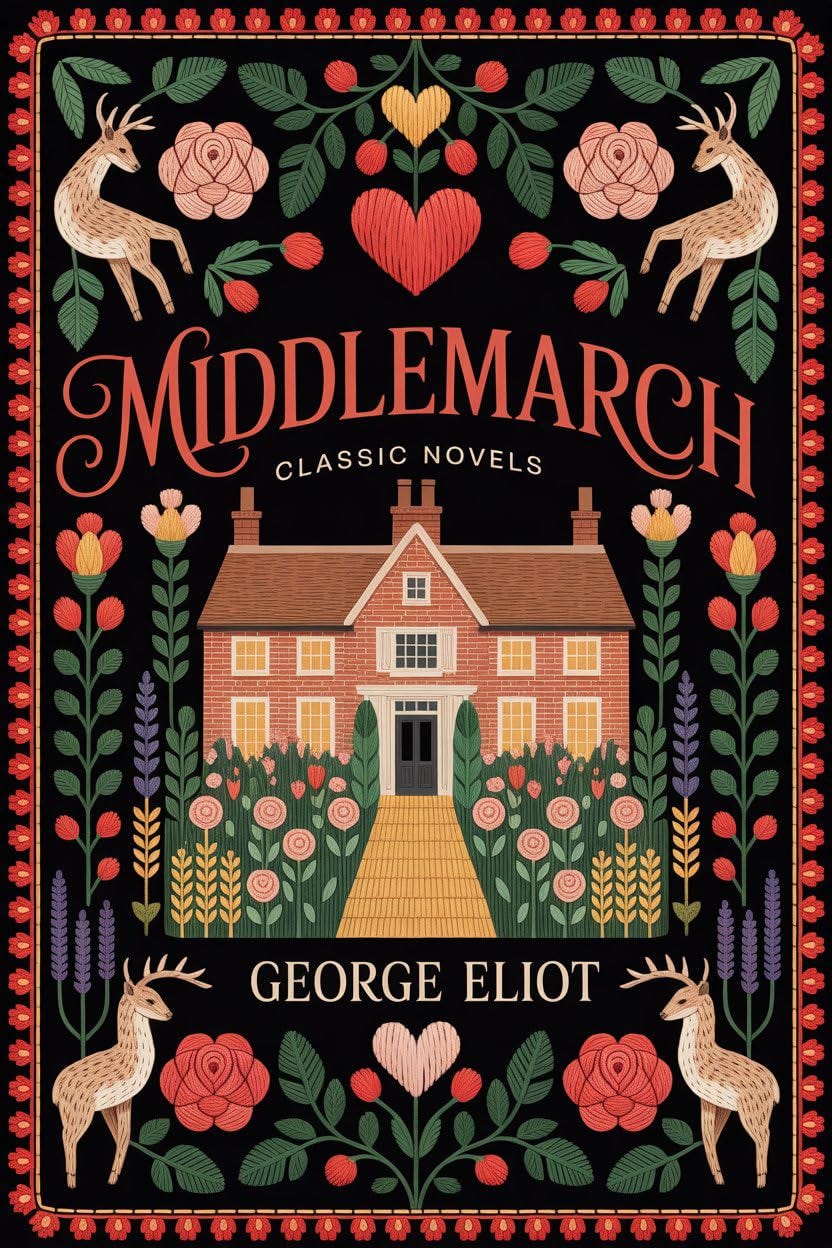
Middlemarch by George Eliot — Eliot was one of the most intellectually formidable people of the 19th century and she wrote this under a man’s name because the literary establishment of her era would not have taken it seriously otherwise.
The novel thinks about how people fail their own potential, how systems crush individuals, and what it means to live a good life in an indifferent world, and it does all of this through characters so fully realized that you forget they are fictional.
Builds: empathy, tolerance for complexity, sustained narrative attention.
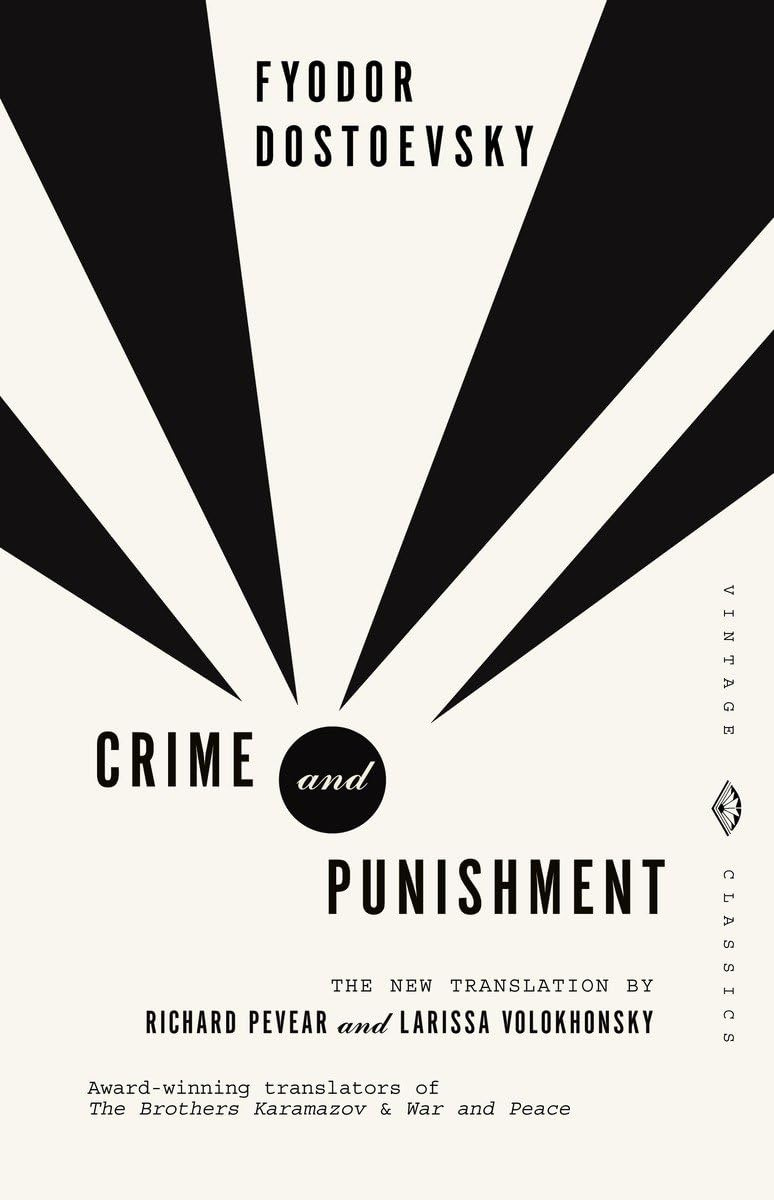
Crime and Punishment by Dostoevsky — Raskolnikov commits his crime in the first 100 pages because Dostoevsky is not interested in the crime. He is interested in what happens to a mind that believes it is exceptional enough to be above ordinary moral law, and then discovers it is not. The psychological precision is the kind that makes you recognize things in yourself you would prefer not to recognize.
Builds: self-awareness, moral reasoning, the capacity to follow a single idea to its logical conclusion without flinching.
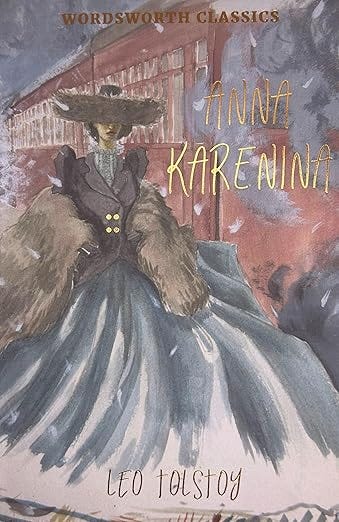
Anna Karenina by Tolstoy — Two parallel love stories, one catastrophic and one quietly triumphant, and Tolstoy refuses to judge Anna for the choices that destroy her. The reader is required to hold both the sympathy and the critique at the same time for 800 pages. This is empathy training of the highest order.
Builds: the ability to hold contradictory feelings about the same person simultaneously, which is a skill you need approximately every day.
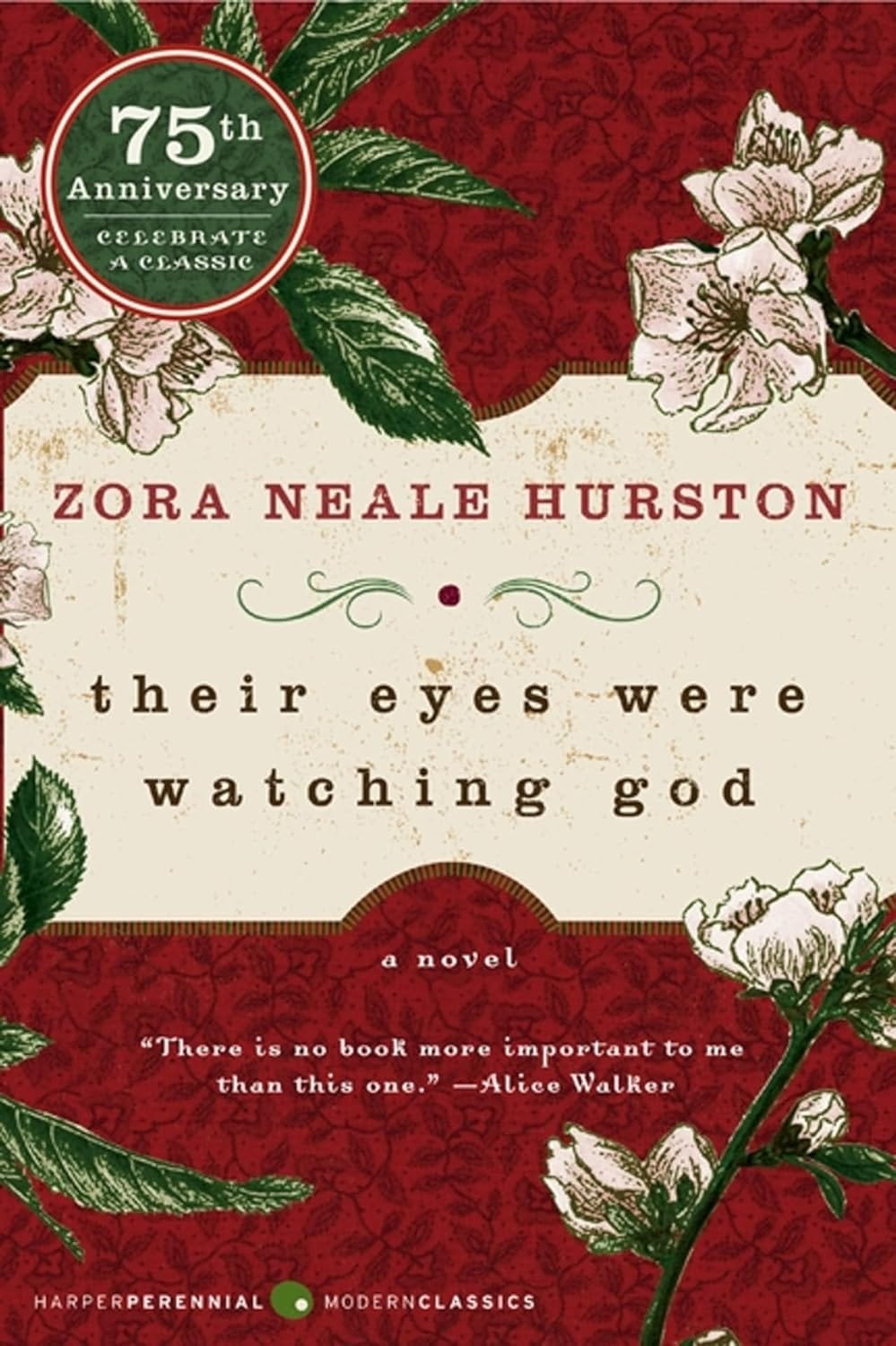
Their Eyes Were Watching God by Zora Neale Hurston — Hurston was an anthropologist and a novelist simultaneously and it shows in every page: the specificity of dialect, the texture of community, the precise way power moves through relationships. Janie’s story is the story of a woman who spends the first half of her life living in other people’s definitions of her and the second half figuring out her own. Short, dense, and completely transformative.
Builds: voice recognition, the ability to hear who is speaking through how they speak.
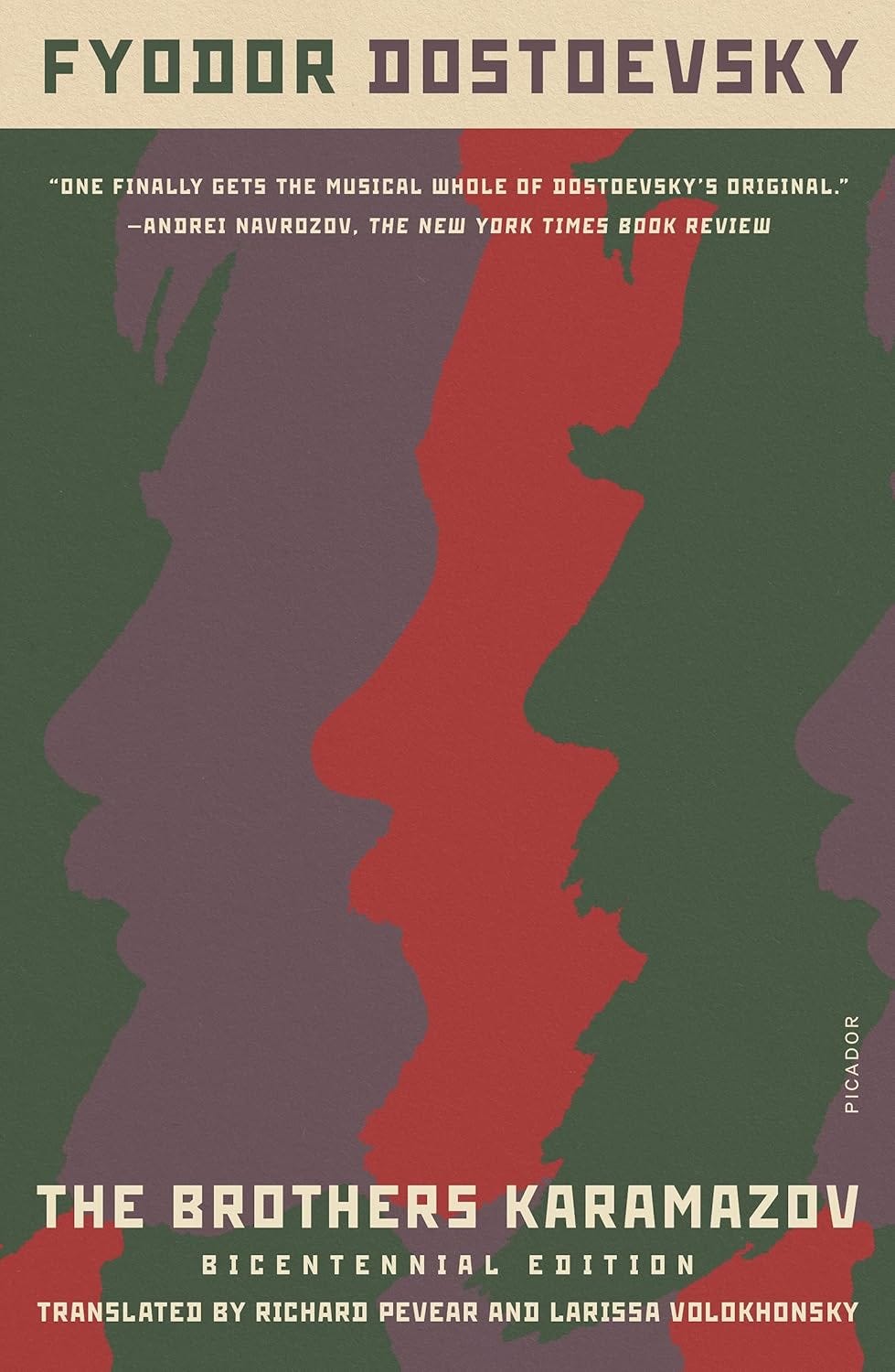
The Brothers Karamazov by Dostoevsky — The Grand Inquisitor chapter alone is worth the full read. It is one of the strongest arguments against God ever written, inside a novel by a deeply religious man, and Dostoevsky does not resolve the argument. He presents it in full and leaves it standing. It is the most honest thing any religious writer has ever done and also structurally representative of how the whole novel works: it holds the hardest questions without answering them because Dostoevsky respected both the question and the reader too much to offer a cheap resolution.
Builds: the capacity to sit with unanswerable questions and find them interesting rather than unbearable.
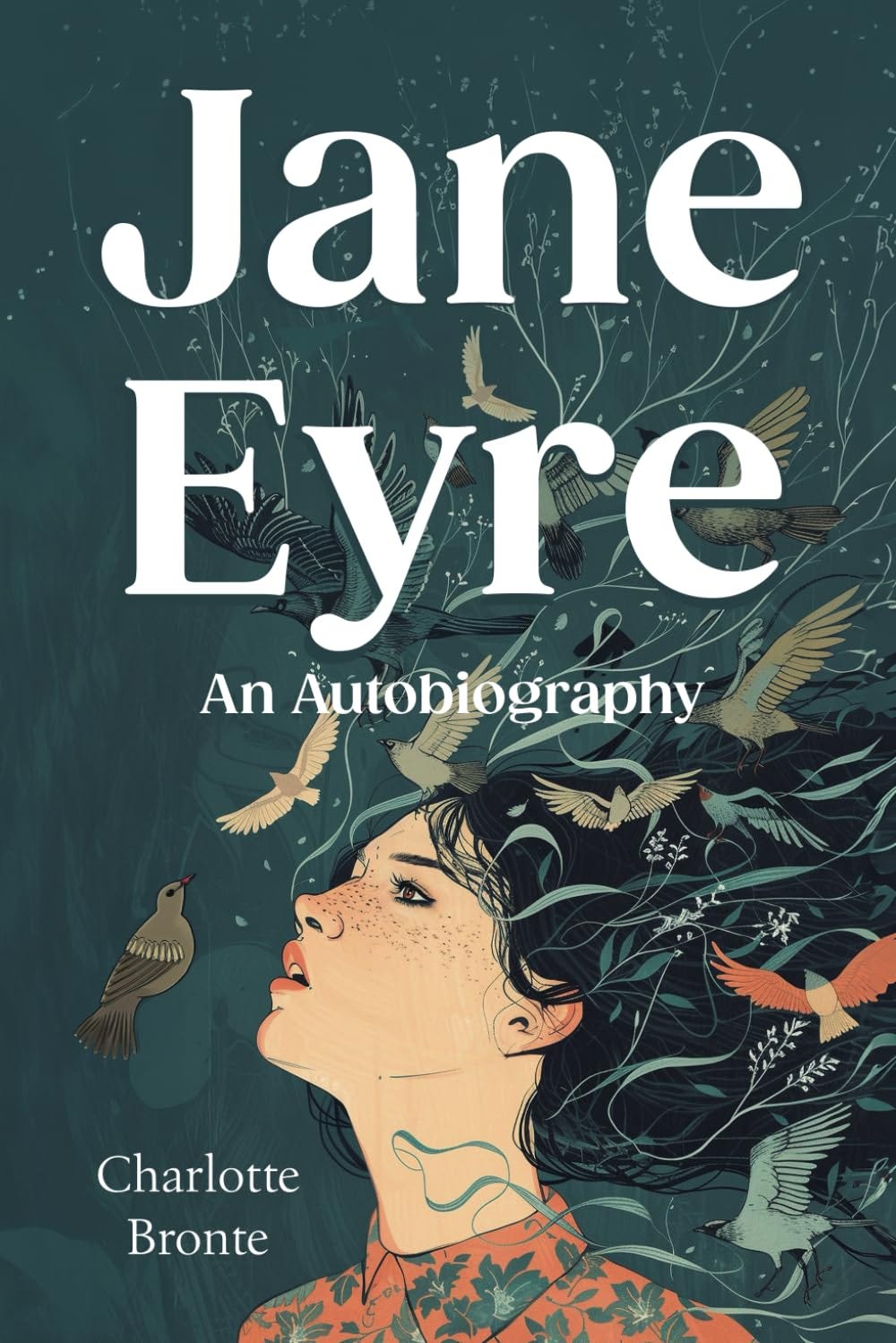
Jane Eyre by Charlotte Bronte — The first major novel in English narrated by a woman who refuses to apologize for her own interiority. Jane is poor and plain and entirely certain of her own worth, not in a performed self-esteem way but in a structural way: she simply does not accept that being poor and plain means she is worth less. Every confrontation in the novel hinges on this.
In a culture that is currently having an extended conversation about self-worth and boundaries and knowing your value, Jane Eyre has been making the same argument since 1847 and making it better than most.
Builds: moral clarity, the ability to identify what you actually believe versus what you have been told to believe.
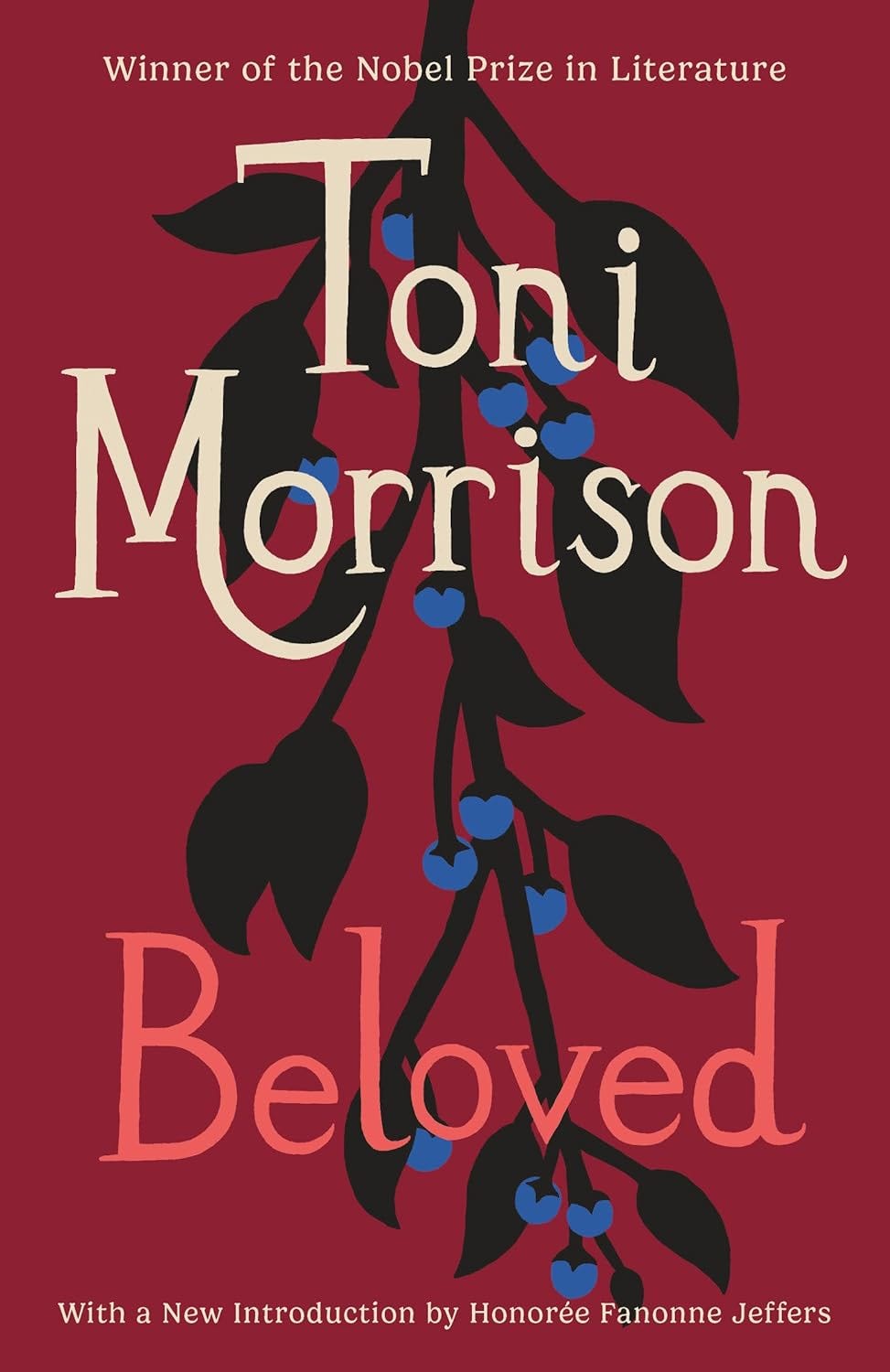
Beloved by Toni Morrison — Morrison is the most precise prose stylist in American literature and this is her most formally ambitious novel: nonlinear, haunted, structured like grief itself rather than like a conventional narrative. The story of Sethe and the ghost she carries is the story of what slavery did to the interior lives of the people it used, and Morrison refuses to let you process it from a comfortable distance. The prose requires presence. You cannot skim it. It will not let you.
Builds: sustained attention to language at the sentence level, emotional endurance, the capacity to stay inside difficult material.
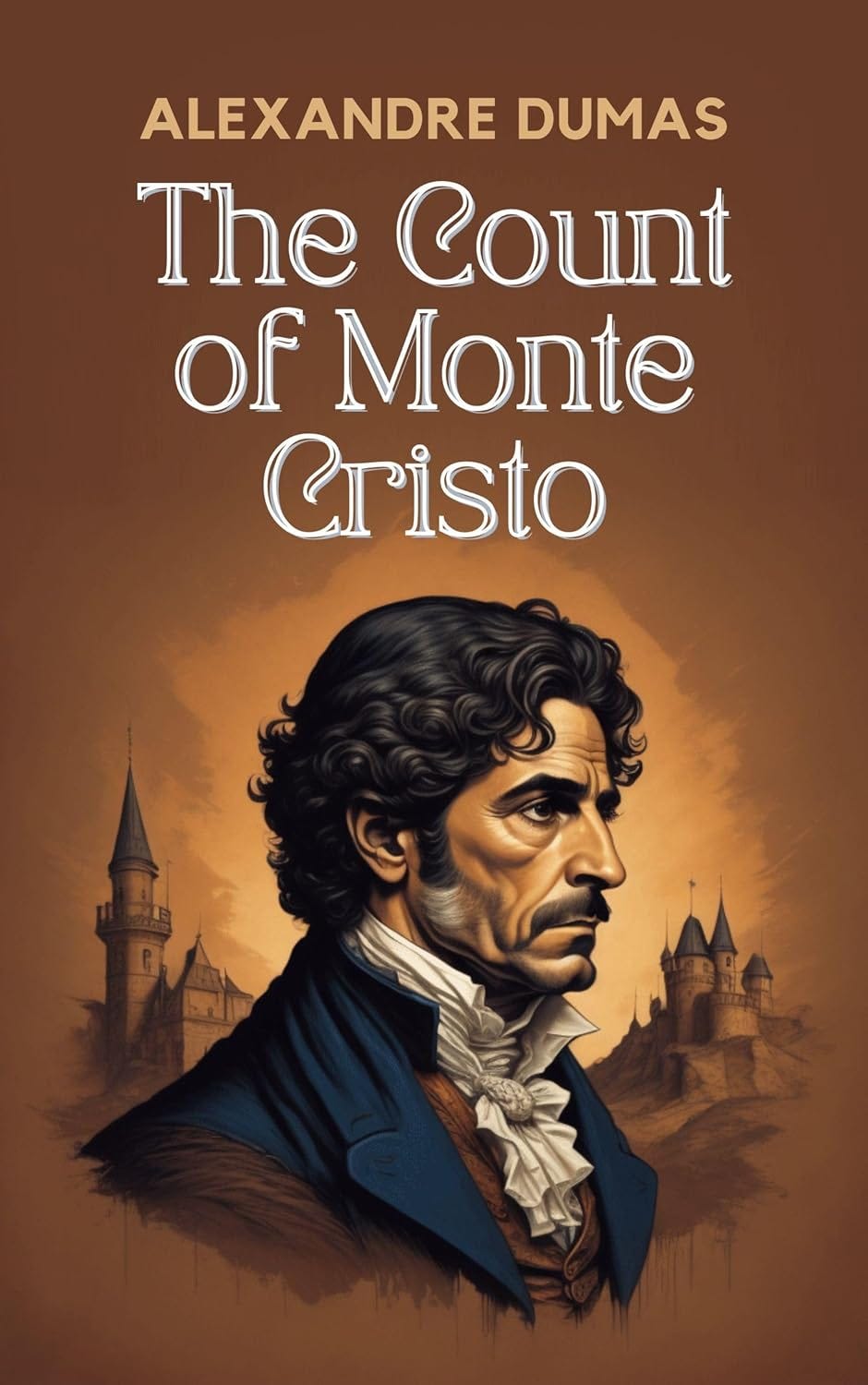
The Count of Monte Cristo by Alexandre Dumas — Yes. This counts. It is very long and extremely plotty and one of the most satisfying novels ever written, which is the point. If you have not read a long book in years and you do not trust your attention span, The Count of Monte Cristo is the graduate program. It will rebuild your reading stamina through the simple mechanism of being impossible to put down.
Builds: narrative endurance, plot memory across a long structure, the specific pleasure of a payoff that was set up 400 pages earlier.
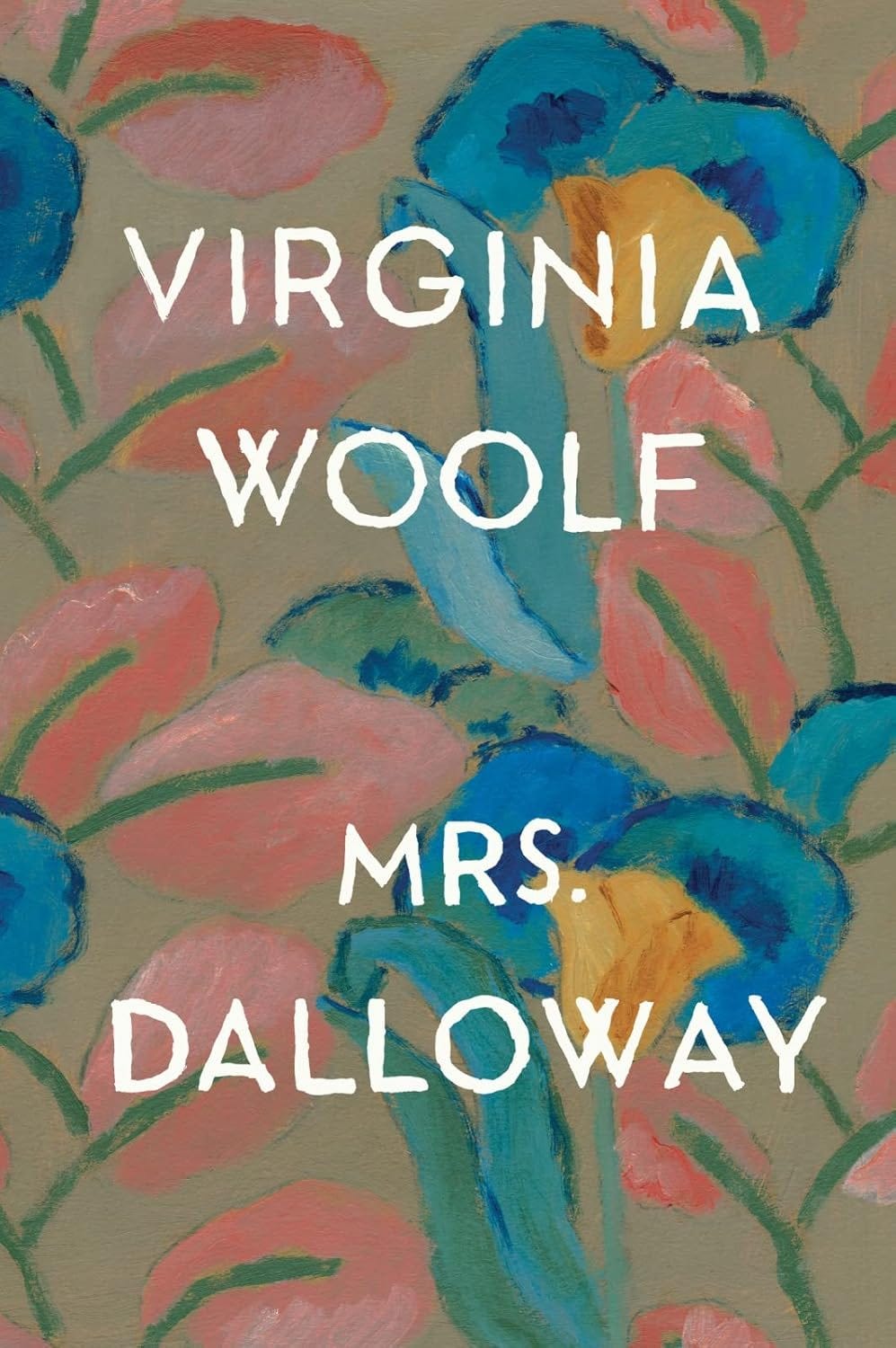
Mrs. Dalloway by Virginia Woolf — One day. One woman giving a party. The entire novel is interior, which means Woolf is asking you to pay a different type of attention than plot-driven fiction requires: attention to perception, to the texture of consciousness, to how a mind actually moves through an ordinary hour. Reading Woolf teaches you to notice your own thinking. That is not a small skill.
Builds: metacognition, attention to interiority, the capacity to find ordinary experience interesting.
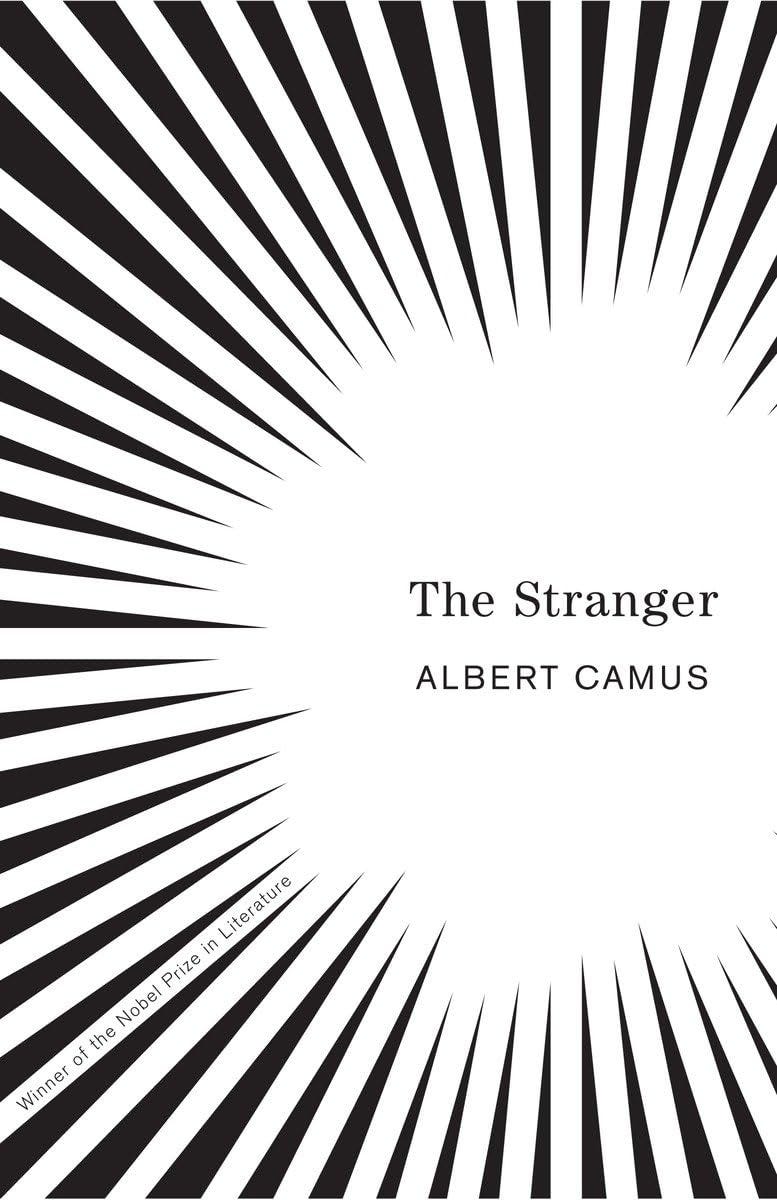
The Stranger by Albert Camus — The shortest novel on this list and the one most likely to follow you out of the book and into your life. Meursault is convicted for a murder largely because of how he responded to his mother’s death, and the jury and the reader are measuring him by the emotional performance they expected and he did not deliver. The question the novel is asking is so immediate and so uncomfortable that it tends to produce a specific physical sensation: the feeling of being seen by a book. Camus finished this in 1942. It has not aged a day.
Builds: philosophical alertness, the ability to identify unexamined assumptions, mild existential crisis that turns out to be useful.
The Short Answer to “Where Do I Start”
With the one that sounds most interesting to you right now, judged by that criterion alone.
Not the most prestigious. Not the one you feel you ought to have already read. Not the one that would impress someone if they saw it on your nightstand. The one that sounds like it might pull.
Because the most expensive thing your brain can do is stay with something long enough for it to change you. And the only way to stay with something is to want to find out what happens next.
Pick the one with the pull. The rest will follow.
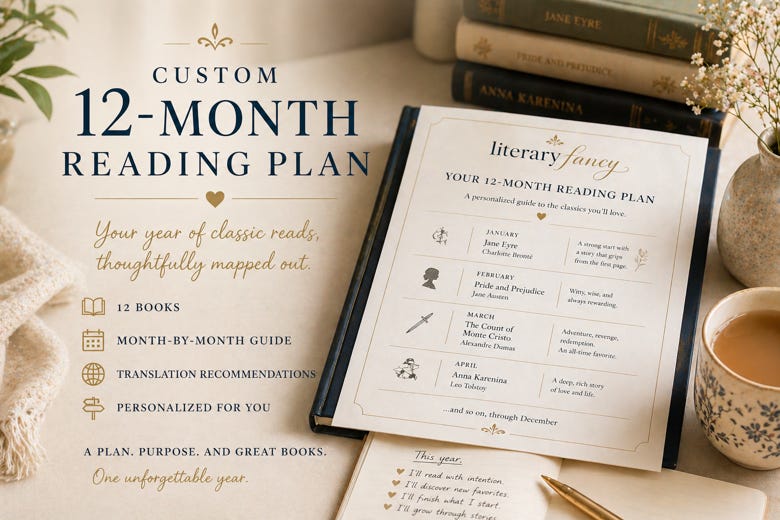
If you want someone to figure out the order for you: that is exactly what the Custom 12-Month Reading Plan is. You tell me what you’ve read, what you loved, what you abandoned and why, how much time you realistically have, and what you’re trying to get out of reading this year.
I build you a sequenced 12-month plan: the right books in the right order, paced to your actual life, with context for each one so you know what you’re walking into. No guessing. No “should I read this next” paralysis. Just a year of reading that is specifically yours.
Members get one free.
Non-members can purchase one separately. Details are in the member chat, or you can DM me directly.
Your reading life does not have to be a pile of good intentions and abandoned page 40s. It can be a plan. A real one. Built for you.
Recent feedback on the plans:
I am so excited about the reading plan for 19th century French and American novels that arrived in my mailbox last Friday. I’ll be able to begin the first novel “The Red and the Black” by the end of May, as soon as I finish The Brothers Karamazov, which I’ve been reading along with Sam Granger’s substack (only a month behind!). And thank you for your thoroughness in making sure I get as much as possible out of this new material. D
Hi Karen, I received my 12 month reading list and I am delighted! Thank you so much! Full confession: you recommended Mists of Avalon for me. I’ve already read it but left it off the survey because I didn’t think it was considered ‘real’ literature. But I love that story. I’m so happy to have found your site!
I’ve just looked at the reading plan - wow! I can’t wait to start. Some of the Russian books might be more readily available to me in Dutch - my wife (who is Dutch) studied Russian, and a lot of those translations are just sitting there on the shelf, waiting to be read.
The French books, however, are a different matter. The translation of Madame Bovary that I read was very dated and uninspiring. Flaubert’s brilliance was still evident, but a translation can make or break a book, so I’m happy to go with your recommendations!
Karen -
Okay. Wow.
Kind of speechless.
This is a beautiful exquisite list.
Two summers ago, I read my first James Baldwin book, the Fire Next Time. Loved it and was captivated.
I love this list. Some of these authors were recommended to me long ago. I lost those notes. Now I have a new list of “ Lori Classics”.
This list is a gift.
You Get Me.
Members get this service for free this month. Survey will be in your welcome email.
Support Literary Fancy
Six kids. Full time job. This newsletter exists anyway. The brain is plastic and so is my sense of what a reasonable bedtime is.
Share this with someone who has been meaning to read a classic since 2017. It’s not too late. It was never too late.
Buy me a coffee on Ko-fi — it goes directly toward the caffeine that makes this possible. Proust wrote seven volumes on coffee and bad health. I am doing my best.
Shop digital guides: Custom 12-Month Reading Plans, the Complete Unhinged Classics Roadmap, the War and Peace Companion Guide.
Become a member: $10/month. Everything above, plus the archive, plus the live sessions, plus the community chat where people are actively reading hard books and rooting for each other.
Still reading. Still here. Don’t tell my kids.
Karen
I am currently reading The Brothers Karamazov by Dosteovsky. I read the first 100 pages and then went on vacation for a week. When I returned, I read 20 more pages and felt totally lost, so I decided to start reading the book from the beginning. This was a good decision because I realized that I had missed much of what I had read the first time.
For me the support of an excellent Substack reading group (Footnotes and Tangents, Closely Reading) has been crucial to my success in learning how to read classic literature. As a lifelong reader I love every part of the reading experience; reading in community and having intelligent conversations with other readers provides the biggest dopamine hit of all. The support of a facilitator who is knowledgeable and experienced in reading classic literature provides the support I need to keep me going when the going gets tough. I am fortunate and forever grateful for it.