

Classic Literature's Most-Googled Questions, Answered Honestly (For Once)
Why Did George Kill Lennie? What Does the Green Light Mean? Is Holden Caulfield Crazy? Here Are the Real Answers.

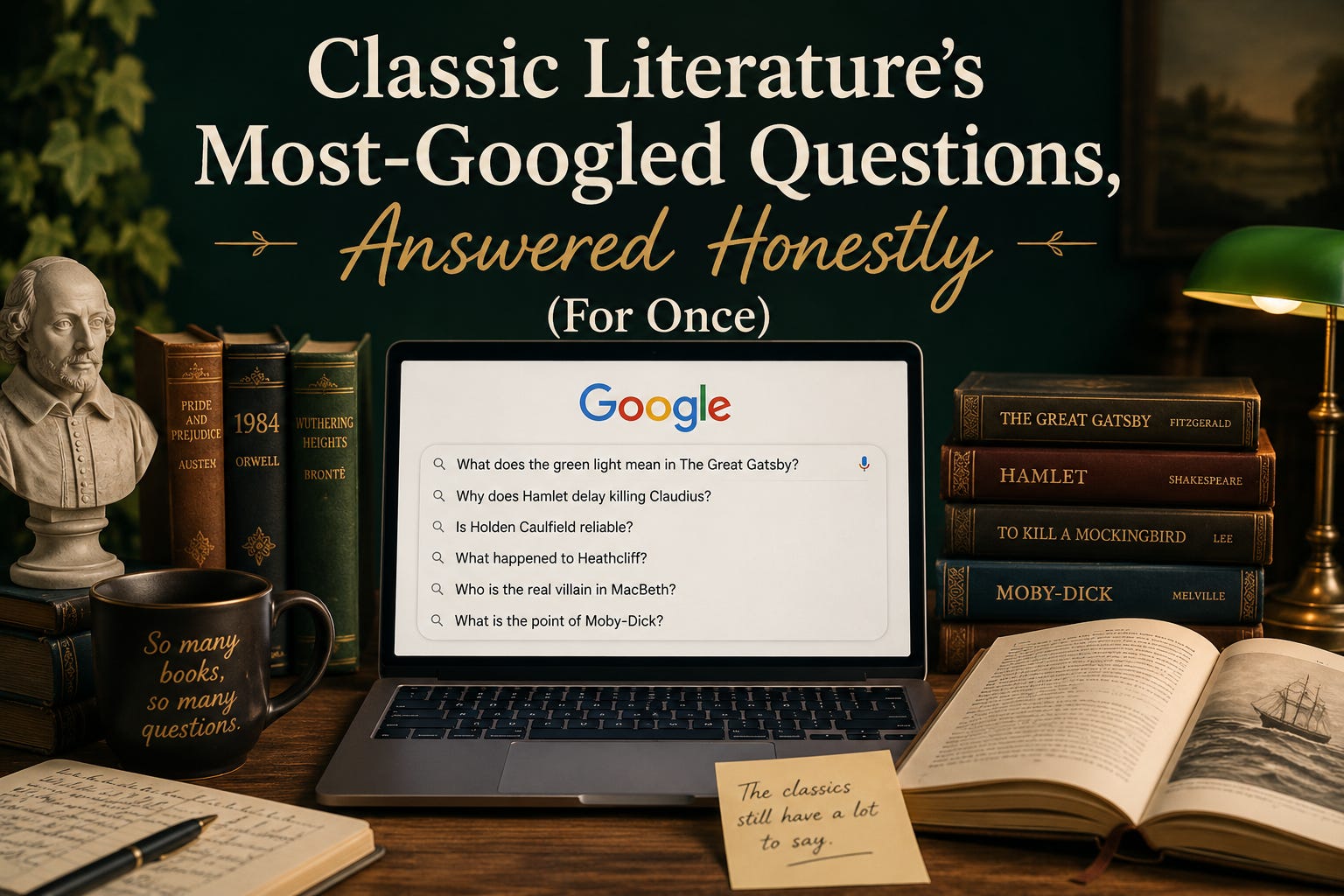
Every year, millions of people type the same questions into Google at 11pm.
Why did George kill Lennie? What does the green light mean? Does anyone actually survive Lord of the Flies? Is Holden Caulfield just... annoying?
They get Wikipedia. They get SparkNotes. They get a timeline of symbols so jargon-heavy it makes the original book look breezy.
Here is what they actually wanted to know.
Ten of the most-Googled questions about classic literature, answered the way your most well-read friend would answer them at a dinner table after two glasses of wine. No academic hedging. No five-paragraph essay format. Just what the book is actually doing and why it still matters enough that people are Googling it in 2026.
1. “Why did George kill Lennie?” — Of Mice and Men
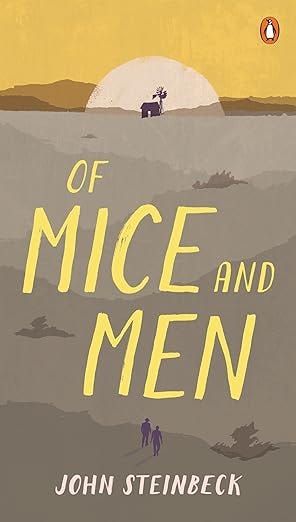
The answer everyone finds:
Because Lennie was going to be killed anyway by Curley and it was kinder for George to do it.
The answer that actually makes the book make sense:
Yes, but that is the what. The why is more devastating.
George kills Lennie because loving someone in a world designed to destroy them requires you to do the destroying first. Steinbeck spends the entire novel showing you two men who are structurally impossible: a friendship between a small, sharp man and a large, gentle man who does not understand his own strength, both of them clinging to a dream of land and rabbits that the novel makes clear from the first chapter they will never reach.
The dream is not the point. The dream is what love looks like when you have nothing else to offer each other. George tells Lennie the story of the farm every night not because he believes it but because Lennie needs to hear it and George needs to be the person who provides it.
When George shoots Lennie at the end, he does it while telling the story one last time. He makes sure Lennie dies inside the dream instead of in front of Curley’s mob. That is not mercy killing. That is the last act of love available to someone who has nothing left to give.
The line that gives it away:
“Guys like us, that work on ranches, are the loneliest guys in the world. They got no family. They don’t belong no place... With us it ain’t like that. We got a future.”Translation: George knows they don’t have a future. He says this every night anyway. That is the whole relationship.
Why your English teacher framed it wrong:
Because calling it a mercy killing lets you write a clean five-paragraph essay about euthanasia. The actual subject — the specific cruelty of loving someone you cannot protect in a world that will not accommodate them — requires more than a five-paragraph essay. So most teachers skip it.
2. “What does the green light mean in The Great Gatsby?”
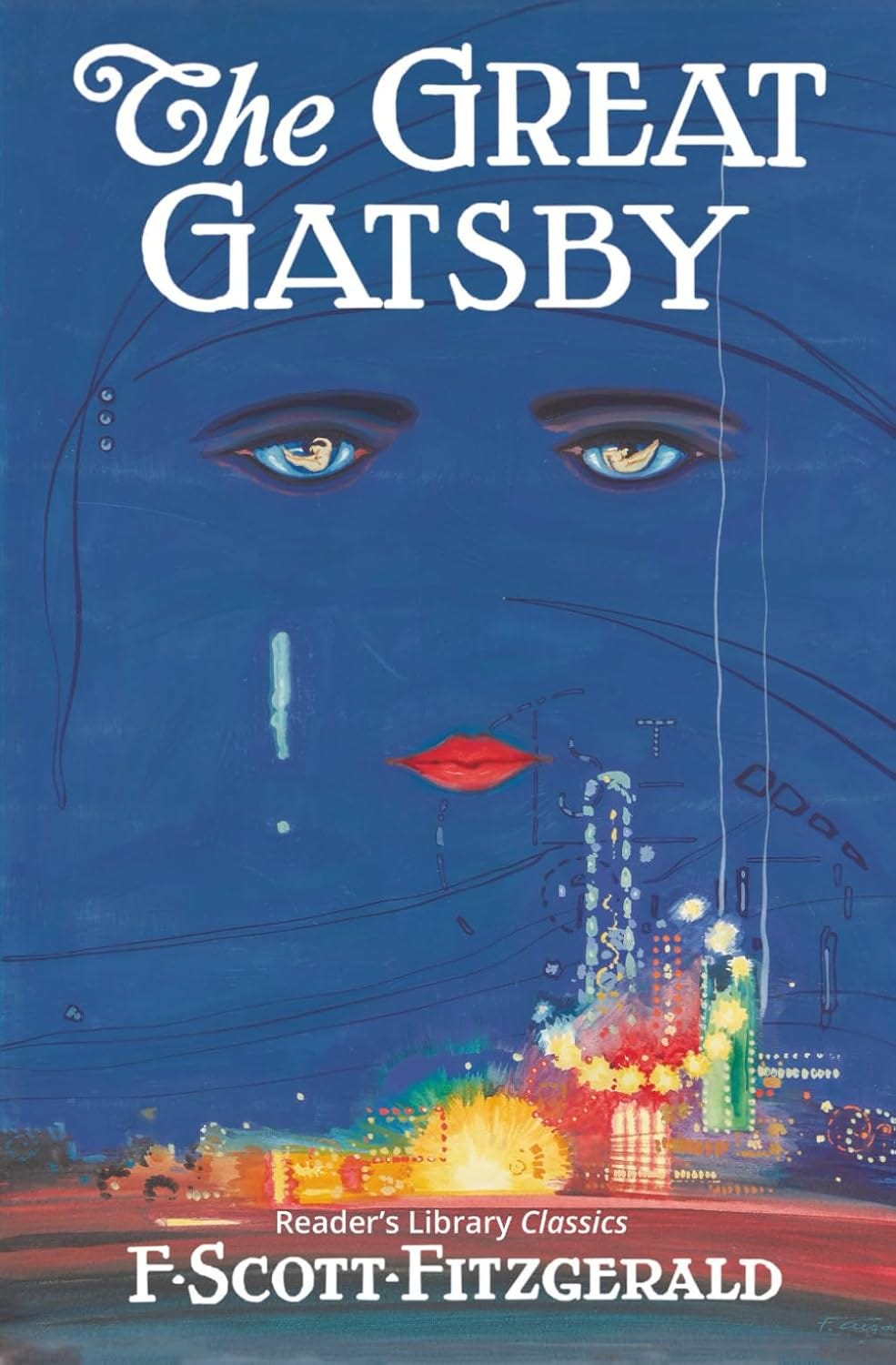
The answer everyone finds:
The green light represents the American Dream. Gatsby reaches toward it across the bay.
The answer that actually makes the book make sense:
The green light is not a symbol of the American Dream. It is a symbol of what happens to you when what you want is not a thing but a version of the past that no longer exists.
Gatsby does not want Daisy. He wants who Daisy was in 1917. He has spent five years and an entire criminal empire constructing a version of himself he thinks she will recognize. The green light is the literal light at the end of her dock across the bay. He looks at it every night. He is not looking at the future. He is looking at a specific moment from the past and trying to will his way back into it.
Nick tells him this directly: “Can’t repeat the past? Why of course you can!” And Nick, watching, thinks: he doesn’t know it’s already gone.
The green light doesn’t mean hope. It means the particular human disaster of organizing your entire life around retrieving something that cannot be retrieved.
The line that gives it away:
“So we beat on, boats against the current, borne back ceaselessly into the past.”Translation: The American Dream is not a forward movement. It is a current that carries you backward while you believe you are moving forward. Fitzgerald ends a novel set in the future-obsessed 1920s with this sentence on purpose.
Why your English teacher framed it wrong:
“The American Dream” is an answer that fits on a test. “The tragedy of mistaking nostalgia for aspiration” does not. Same symbol, completely different understanding of what Fitzgerald was doing.
3. “Is Holden Caulfield actually crazy?” — The Catcher in the Rye
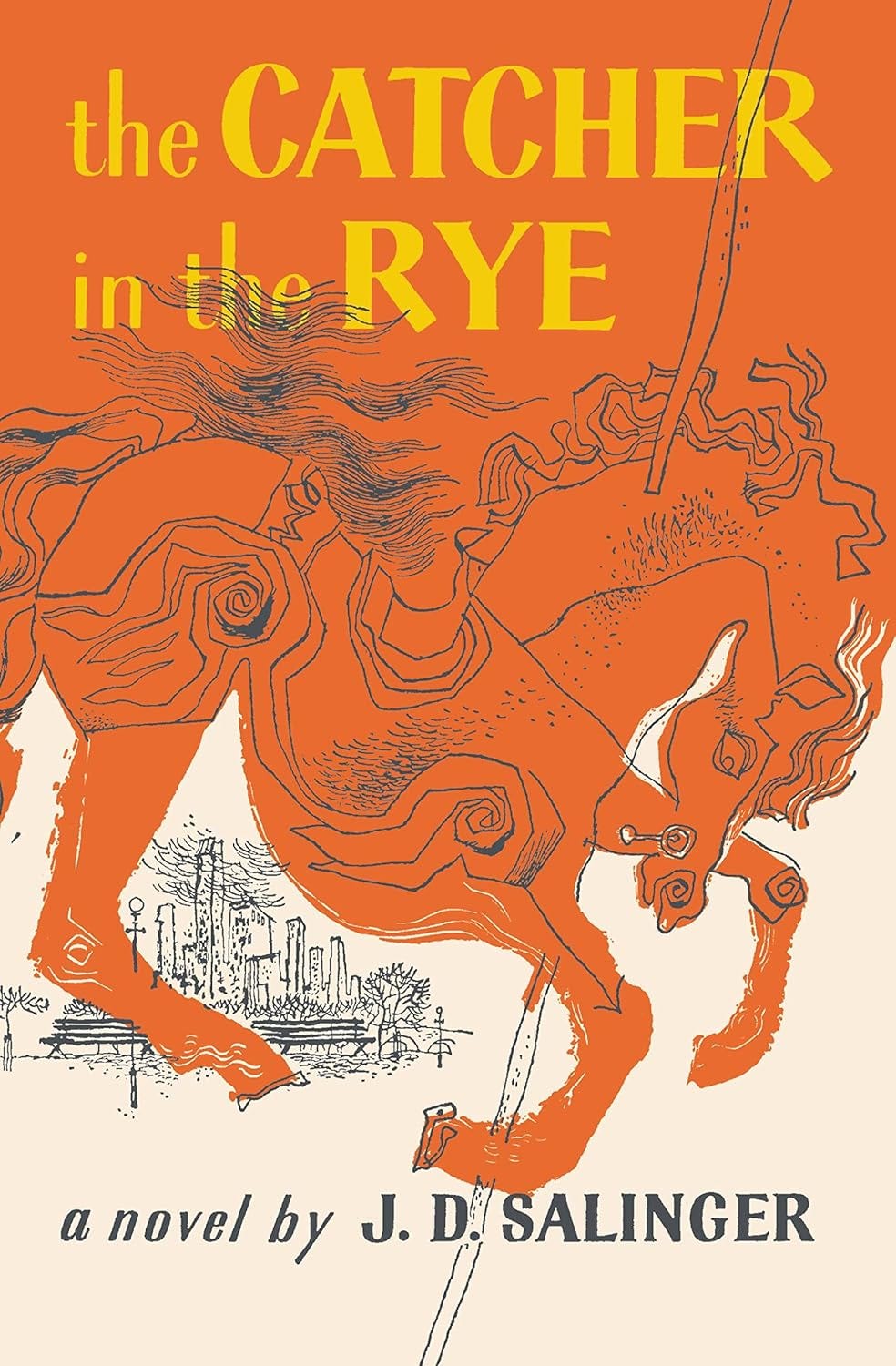
The answer everyone finds:
Holden is a troubled teenager. He is depressed. He is possibly having a breakdown.
The answer that actually makes the book make sense:
Holden is not crazy. He is the only person in the novel who is telling the truth about what he sees, and the novel is about what happens to people who cannot stop telling the truth about what they see.
Every “phony” thing Holden identifies is actually phony. The adults performing cheerfulness they do not feel. The social rituals that exist to avoid saying anything real. The way people talk about the dead as though death is a tasteful inconvenience. Holden’s problem is not that he is wrong. His problem is that he cannot make himself stop noticing, and noticing without being able to change anything is the particular texture of his suffering.
The reveal is that Holden is narrating from a mental institution where he has been sent for the breakdown. The entire novel is his account of the weekend that preceded it. What he experienced that weekend was not abnormal behavior. It was grief — for his brother Allie, who died three years before the novel begins, and whose baseball glove Holden carries and whose death Holden has never been allowed to process in any of the ways that would actually help.
He is not crazy. He is a grieving teenager in 1951 who has been told to act normal and cannot.
The line that gives it away:
“Anyway, I keep picturing all these little kids playing some game in this big field of rye... and I’m standing on the edge of some crazy cliff... I have to catch everybody if they start to go over the cliff.”Translation: Holden wants to protect children from the loss of innocence he experienced when Allie died. He cannot. He knows he cannot. He imagines doing it anyway. That is not madness. That is grief with nowhere to go.
Why your English teacher framed it wrong:
Calling Holden “unreliable” or “unstable” is a way of dismissing what he is saying without engaging with it. The book is more uncomfortable if you take him seriously. Most classroom framings do not take him seriously.
4. “Does anyone survive Lord of the Flies?” — and what the ending actually means
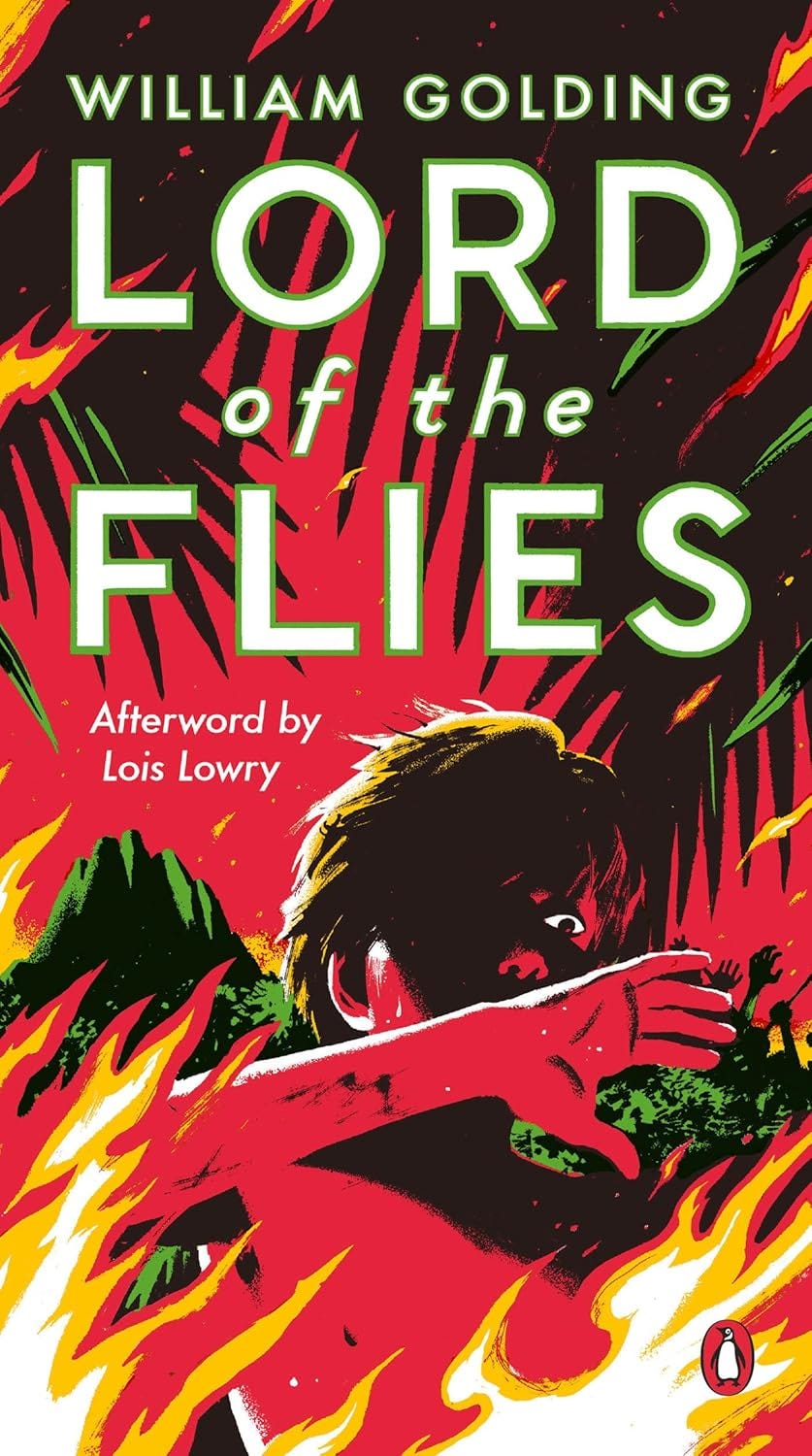
The answer everyone finds:
Yes. A naval officer arrives and rescues the boys. They are saved.
The answer that actually makes the book make sense:
They are removed from the island. They are not saved.
The ending of Lord of the Flies is the most savage irony in 20th-century English literature. The naval officer arrives and immediately criticizes the boys for poor conduct. He expected better of British boys. He is embarrassed by what they have become. Golding then gives you one sentence: the officer turns away and looks at his warship, which is engaged in the war that is happening on the mainland.
The boys have been on an island destroying each other for weeks. The adult world they are returning to is doing the same thing on a larger scale with better equipment. The officer has the audacity to be disappointed in the children’s savagery while standing on a warship.
The rescue is not a resolution. It is Golding saying: the island was not an aberration. The island was a preview.
The line that gives it away:
“And in the middle of them, with filthy body, matted hair, and unwiped nose, Ralph wept for the end of innocence, the darkness of man’s heart.”Translation: Ralph is not crying because they were rescued. He is crying because he now knows what he is capable of. He cannot unknow it. The rescue does not change that.
Why your English teacher framed it wrong:
The rescue is usually taught as a hopeful ending because it stops the immediate violence. Golding meant the opposite. The officer’s judgment and his warship are the whole point. Civilization does not rescue you from savagery. It just gives savagery a uniform.
5. “Is Hamlet actually going to do anything?” — Why the delay is the whole question
The answer everyone finds:
Hamlet delays killing his uncle because he is indecisive, or because he is not sure his uncle is guilty, or because he has a complex inner life.
The answer that actually makes the book make sense:
Hamlet delays because he is the first modern character in Western literature: a person who thinks so clearly about every possible action that action becomes impossible.
The famous question — “To be or not to be” — is not a question about suicide. It is a question about whether it is better to act in a world that will not respond to action the way action is supposed to work, or to stop. The whole speech is a cost-benefit analysis of existence performed by someone who can see every angle of every argument simultaneously and therefore cannot move.
Every time Hamlet is about to act, he begins thinking. He thinks about what killing Claudius will mean. He thinks about whether the ghost was real. He thinks about whether certainty is even achievable. He is not a coward. He is someone whose capacity for thought has outpaced his capacity for action, and Elizabethan England had no word for that except madness, so they called it madness, and Hamlet sometimes calls it madness too, and neither of them are quite right.
Shakespeare wrote this play four hundred years ago. The character he invented is still the most accurate portrait of a specific KIND of paralysis — intelligent, aware, and unable to stop analyzing long enough to move — that we have in any literature.
The line that gives it away:
“Thus conscience does make cowards of us all.”Translation: Thinking too clearly about consequences is its own kind of trap. Hamlet knows this about himself. Knowing it does not help.
Why your English teacher framed it wrong:
“Hamlet is procrastinating” is a plot summary. The actual question Hamlet is asking — whether a person with full moral awareness can take moral action in a corrupt world without becoming corrupt themselves — is a philosophy question. Most classroom syllabi do not have time for philosophy questions.
The Next Five Are for Paid Members
You’ve just gotten the real answers to five of the most-Googled classic literature questions on the internet.
The next five cover: the question everyone asks about To Kill a Mockingbird that your teacher definitely avoided, why Jane Eyre’s ending is more complicated than it looks, what 1984 is actually predicting (and it is not what you think), the real reason the Countess did what she did in The Count of Monte Cristo, and the most Googled Austen question of all time.
Paid members, keep reading. Everyone else: $10 a month gets you this post in full, the full member archive, monthly live sessions, and your Custom 12-Month Reading Plan.